

Hey there! As a supplier of submersible level gauges, I often get asked about how to test the performance of these nifty devices. Well, you're in luck because I'm gonna break it down for you in this blog post.
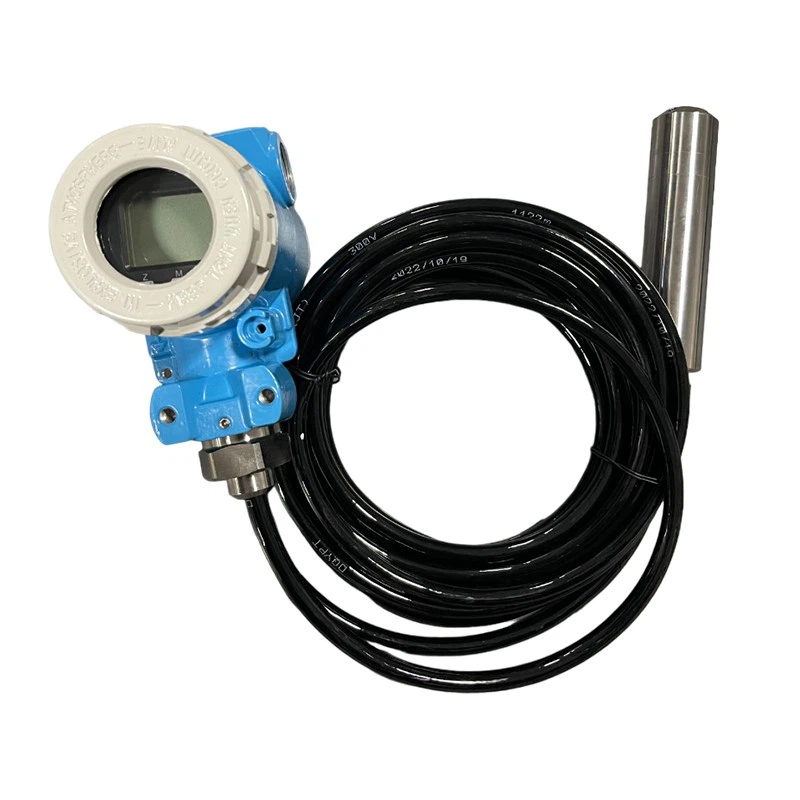
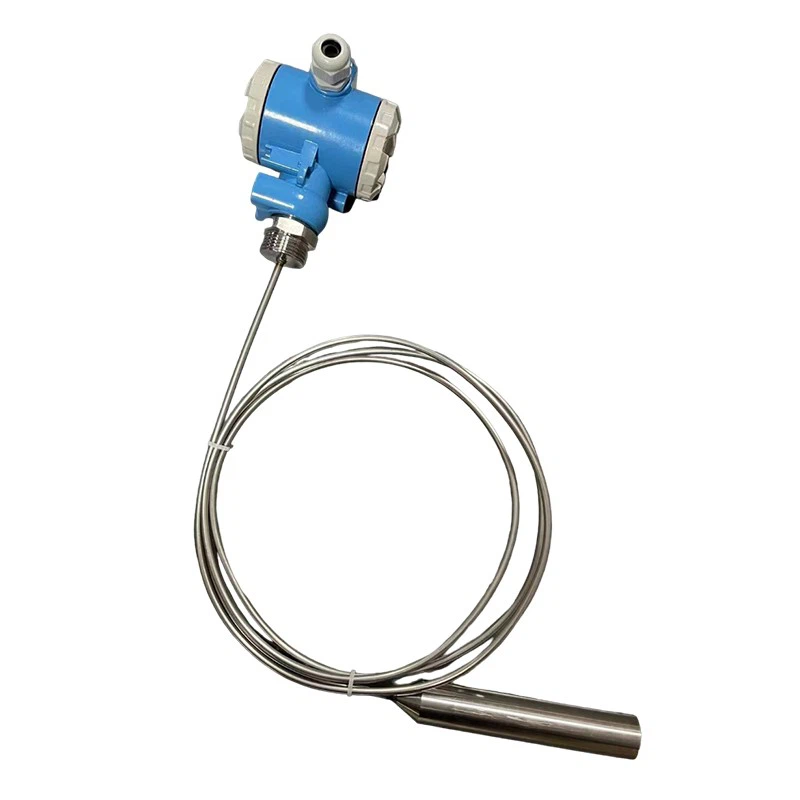
First off, let's understand what a submersible level gauge is. It's a device used to measure the level of liquid in a tank, well, or any other container. There are different types out there, like the Input Type Static Pressure Liquid Level Transmitter, Submersible Liquid Level Sensor, and Static Pressure Input Liquid Level Gauge. Each type has its own features and applications, but the basic principle of measuring liquid level remains the same.
Pre - test Preparations
Before you start testing the performance of a submersible level gauge, you need to do some prep work. First, make sure the gauge is installed correctly. It should be submerged at the right depth in the liquid. If it's not installed properly, you're gonna get inaccurate readings right off the bat.
You also need to check the calibration of the gauge. Calibration is super important as it ensures that the gauge is giving you accurate measurements. Most submersible level gauges come with a calibration procedure in the user manual. Follow it carefully to make sure the gauge is calibrated to the specific liquid and environment it will be used in.
Another thing to do is to check the power supply. A stable power supply is crucial for the proper functioning of the gauge. Make sure the voltage and current are within the specified range for the gauge. If the power supply is unstable, it can cause fluctuations in the readings.
Testing the Accuracy
One of the most important aspects of testing a submersible level gauge is to check its accuracy. To do this, you can use a reference measurement. For example, if you're measuring the level of water in a tank, you can use a dipstick or a ruler to measure the actual level of the water. Then, compare this measurement with the reading from the submersible level gauge.
The difference between the actual level and the gauge reading is called the error. A good submersible level gauge should have a low error rate. If the error is too high, it could mean that the gauge is not calibrated correctly or there is a problem with the sensor.
You can also test the accuracy at different levels. Fill the tank to different heights and take readings from the gauge at each level. This will give you an idea of how accurate the gauge is across the entire measurement range.
Testing the Response Time
The response time of a submersible level gauge is how quickly it can detect a change in the liquid level. To test the response time, you can make a sudden change in the liquid level. For example, you can quickly add or remove a certain amount of liquid from the tank.
Then, watch how quickly the gauge reading changes to reflect the new level. A fast - responding gauge is important in applications where the liquid level can change rapidly, like in a water treatment plant or a chemical processing facility.
Testing the Stability
Stability is another key factor in the performance of a submersible level gauge. A stable gauge will give consistent readings over time. To test the stability, you can take readings from the gauge at regular intervals over a period of time, say, a few hours or even a few days.
If the readings fluctuate too much, it could be a sign of a problem. There could be issues with the sensor, the power supply, or the installation. You might need to check these components and make adjustments if necessary.
Testing in Different Environments
Submersible level gauges are used in a variety of environments, and it's important to test their performance in different conditions. For example, if the gauge will be used in a corrosive liquid, you need to test it in a similar corrosive environment.
You can expose the gauge to the corrosive liquid for a certain period of time and then check its performance. Look for any signs of damage to the sensor or the housing. Also, check the accuracy and stability of the readings after the exposure.
Similarly, if the gauge will be used in a high - temperature environment, you can test it in a heated liquid. Make sure the gauge can withstand the temperature and still give accurate readings.
Data Logging and Analysis
During the testing process, it's a good idea to log all the data. You can use a data logger to record the readings from the gauge at different times and under different conditions. This data can be very useful for analyzing the performance of the gauge.
You can create graphs and charts to visualize the data. For example, you can plot the gauge readings against the actual levels to see how accurate the gauge is. You can also look for trends in the data, like changes in the response time or stability over time.
Conclusion
Testing the performance of a submersible level gauge is a crucial step to ensure that it will work properly in your application. By following the steps I've outlined above, you can check the accuracy, response time, stability, and performance in different environments.
If you're in the market for a high - quality submersible level gauge, we've got you covered. We offer a wide range of submersible level gauges, including the Input Type Static Pressure Liquid Level Transmitter, Submersible Liquid Level Sensor, and Static Pressure Input Liquid Level Gauge.
If you're interested in purchasing our products or have any questions about testing or using submersible level gauges, feel free to reach out to us. We're here to help you find the best solution for your liquid level measurement needs.
References
- Manufacturer's user manuals for submersible level gauges
- Industry standards for liquid level measurement devices