

Hey there! As a supplier of pressure transmitters, I often get asked about how to wire a pressure transmitter to a controller. It's a crucial step in setting up your system, and getting it right ensures accurate pressure measurement and reliable operation. In this blog post, I'll walk you through the process step by step.
Understanding the Basics
Before we dive into the wiring process, let's quickly go over what a pressure transmitter and a controller are. A pressure transmitter is a device that measures pressure and converts it into an electrical signal, usually in the form of a current or voltage. This signal can then be sent to a controller, which is a device that receives the signal, processes it, and can be used to control other equipment based on the pressure reading.
There are different types of pressure transmitters available from our range, such as the Hygienic Pressure Transmitter, which is ideal for applications where cleanliness is crucial, like in the food and beverage industry. The Industrial (diffusion Silicon) Pressure Transmitter is great for general industrial applications, and the Digital Pressure Transducer offers high precision and digital output.
Tools and Materials You'll Need
To wire a pressure transmitter to a controller, you'll need the following tools and materials:
- Pressure transmitter
- Controller
- Appropriate cables (usually shielded cables to reduce electrical interference)
- Wire strippers
- Screwdrivers (flathead and Phillips, depending on the connectors)
- Electrical tape or cable ties for cable management
Step 1: Safety First
Before you start any wiring work, make sure to turn off the power to both the pressure transmitter and the controller. This will prevent any electrical shocks or damage to the equipment. Also, wear appropriate safety gear, like safety glasses and gloves.
Step 2: Identify the Wiring Terminals
Both the pressure transmitter and the controller will have wiring terminals. On the pressure transmitter, you'll typically find terminals for power supply, signal output, and sometimes ground. The controller will have corresponding terminals for receiving the signal from the pressure transmitter.
The power supply terminals on the pressure transmitter are usually marked as +V (positive voltage) and -V (negative voltage). The signal output terminals are often labeled as 4-20 mA or 0-10 V, depending on the type of signal the transmitter outputs. Make sure to check the user manual of your pressure transmitter to confirm the terminal labels.
Step 3: Prepare the Cables
Use the wire strippers to strip the ends of the cables. You'll need to strip enough insulation to expose the wire for connection, usually about 1/2 inch to 3/4 inch. Be careful not to cut the wire while stripping the insulation.
Step 4: Connect the Power Supply
Connect the positive terminal of the power supply (usually a DC power source) to the +V terminal on the pressure transmitter. Connect the negative terminal of the power supply to the -V terminal on the pressure transmitter. Make sure the connections are tight and secure. You can use a screwdriver to tighten the terminal screws.
Step 5: Connect the Signal Output
Connect the signal output cable from the pressure transmitter to the corresponding input terminal on the controller. If the pressure transmitter outputs a 4-20 mA signal, connect the cable to the 4-20 mA input terminal on the controller. If it's a 0-10 V signal, connect it to the 0-10 V input terminal. Again, make sure the connections are tight.
Step 6: Connect the Ground (if necessary)
Some pressure transmitters and controllers require a ground connection for proper operation. If your equipment requires grounding, connect a ground wire from the ground terminal on the pressure transmitter to a suitable ground point on the controller or the electrical system.
Step 7: Cable Management
Once all the connections are made, use electrical tape or cable ties to manage the cables. This will prevent the cables from getting tangled and reduce the risk of damage. Make sure the cables are routed away from sources of electrical interference, like motors or transformers.
Step 8: Test the Connection
After you've completed the wiring, turn on the power to the pressure transmitter and the controller. Check the display on the controller to see if it's receiving the pressure signal from the transmitter. You can also apply a known pressure to the pressure transmitter and see if the reading on the controller changes accordingly. If there are any issues, double-check your wiring connections and make sure everything is connected correctly.
Troubleshooting Tips
- If the controller is not receiving the signal from the pressure transmitter, check the wiring connections to make sure they are tight and secure. Also, check the power supply to the pressure transmitter to make sure it's providing the correct voltage.
- If the pressure reading on the controller is inaccurate, it could be due to a calibration issue with the pressure transmitter. Refer to the user manual of the pressure transmitter for calibration instructions.
- If there is electrical interference in the signal, make sure the cables are properly shielded and routed away from sources of interference. You can also try using ferrite beads on the cables to reduce interference.
Why Choose Our Pressure Transmitters
Our pressure transmitters are known for their high quality, accuracy, and reliability. We offer a wide range of pressure transmitters to suit different applications, from hygienic environments to industrial settings. Our products are designed and manufactured to meet the highest industry standards, and we provide excellent customer support to help you with any installation or troubleshooting issues.
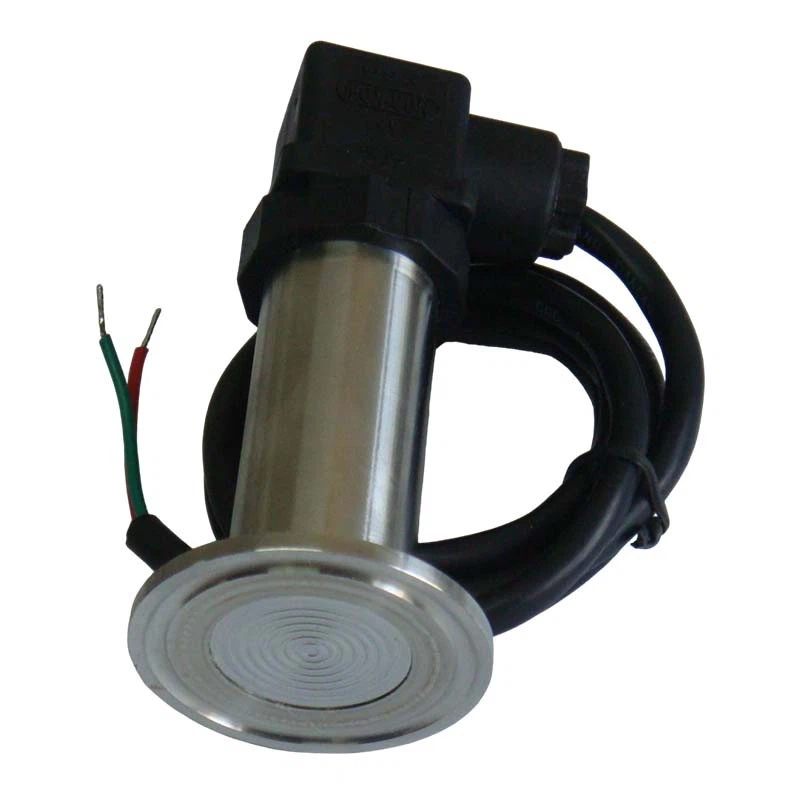

If you're in the market for a pressure transmitter or need more information about wiring them to a controller, don't hesitate to reach out to us. We'd be happy to assist you with your purchase and answer any questions you may have.
Conclusion
Wiring a pressure transmitter to a controller is not a difficult task if you follow the steps outlined in this blog post. By understanding the basics, preparing the cables properly, and making the connections correctly, you can ensure accurate pressure measurement and reliable operation of your system.
If you have any further questions or need assistance with your pressure transmitter purchase, feel free to contact us. We're here to help you get the most out of your pressure measurement system.
References
- Pressure Transmitter User Manuals
- Controller User Manuals