

What are the maintenance costs associated with a radar level meter?
Hey there! As a supplier of radar level meters, I often get asked about the maintenance costs associated with these nifty devices. So, let's dive right in and break it down for you.
First off, what exactly is a radar level meter? Well, it's a device that uses radar technology to measure the level of liquids or solids in a tank or container. It's a pretty cool piece of tech that's used in a wide range of industries, from oil and gas to food and beverage.
Now, let's talk about maintenance costs. Like any piece of equipment, radar level meters require some maintenance to keep them running smoothly. But the good news is that the maintenance costs for radar level meters are generally pretty low compared to other types of level measurement devices.
One of the biggest factors that affects the maintenance costs of a radar level meter is the type of environment it's operating in. If the meter is installed in a harsh environment, such as a chemical plant or a wastewater treatment facility, it may require more frequent maintenance than if it's installed in a clean, dry environment. For example, in a chemical plant, the meter may be exposed to corrosive chemicals that can damage the antenna or other components. In this case, it may be necessary to clean the antenna more frequently or replace it altogether.
Another factor that affects the maintenance costs of a radar level meter is the type of meter you choose. There are two main types of radar level meters: two-wire and four-wire. Two-wire radar level meters are generally less expensive and easier to install than four-wire meters, but they may not be as accurate or reliable in some applications. Four-wire radar level meters, on the other hand, are more accurate and reliable, but they are also more expensive and require more complex installation.
If you're looking for a two-wire radar level meter, I recommend checking out our Two Line Integrated Ultrasonic Level Gauge Tsl300n. It's a great option for applications where accuracy is not the top priority, but you still need a reliable and cost-effective level measurement solution.

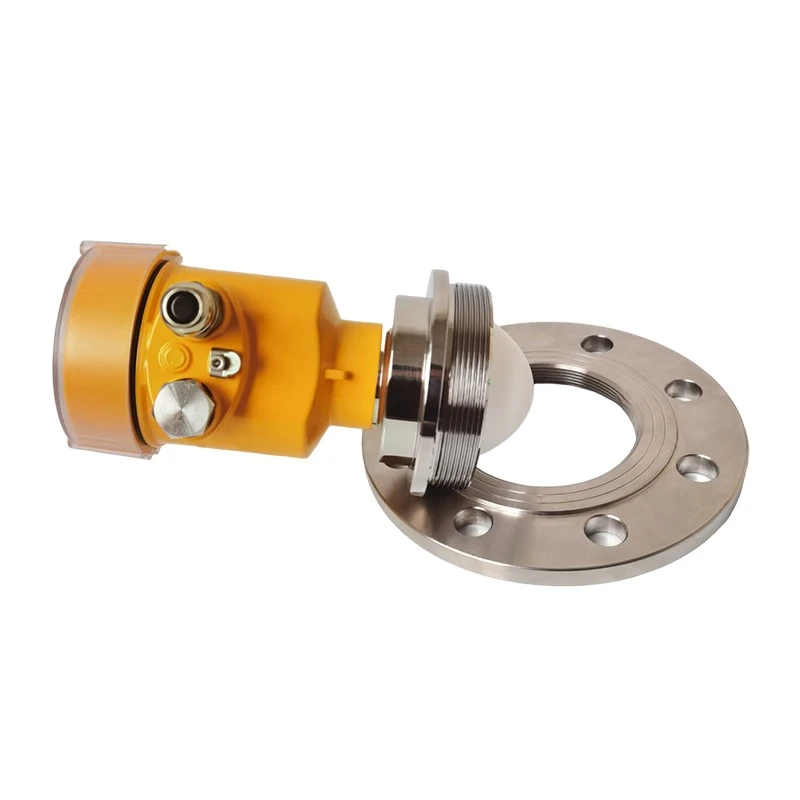
For applications where accuracy is critical, I recommend our High Precision Radar Level Gauge. This four-wire radar level meter is designed to provide highly accurate level measurements in even the most challenging environments.
So, what are the specific maintenance costs associated with a radar level meter? Well, let's take a look at some of the most common maintenance tasks and their associated costs.
Antenna Cleaning
The antenna is one of the most critical components of a radar level meter. It's responsible for emitting and receiving the radar signals that are used to measure the level of the liquid or solid in the tank. Over time, the antenna can become dirty or coated with debris, which can affect the accuracy of the measurements.
To keep the antenna clean, it's recommended that you perform regular inspections and cleanings. The frequency of these inspections and cleanings will depend on the type of environment the meter is operating in. In a clean, dry environment, you may only need to clean the antenna once or twice a year. In a harsh environment, such as a chemical plant or a wastewater treatment facility, you may need to clean the antenna more frequently, perhaps once a month or even more often.
The cost of cleaning the antenna will depend on the complexity of the meter and the type of cleaning required. In some cases, you may be able to clean the antenna yourself using a simple cleaning solution and a soft brush. In other cases, you may need to hire a professional technician to perform the cleaning. The cost of hiring a professional technician can range from a few hundred dollars to several thousand dollars, depending on the location and the complexity of the job.
Calibration
Calibration is another important maintenance task that needs to be performed on a regular basis to ensure the accuracy of the radar level meter. Calibration involves comparing the readings of the meter to a known reference value and making any necessary adjustments to the meter's settings.
The frequency of calibration will depend on the type of meter and the application. In general, it's recommended that you calibrate the meter at least once a year. However, in some applications, such as those where the accuracy of the measurements is critical, you may need to calibrate the meter more frequently, perhaps once every six months or even more often.
The cost of calibration will depend on the type of meter and the complexity of the calibration process. In some cases, you may be able to calibrate the meter yourself using the manufacturer's instructions. In other cases, you may need to hire a professional technician to perform the calibration. The cost of hiring a professional technician can range from a few hundred dollars to several thousand dollars, depending on the location and the complexity of the job.
Component Replacement
Over time, some of the components of the radar level meter may wear out or become damaged and need to be replaced. The most common components that need to be replaced are the antenna, the transmitter, and the receiver.
The cost of component replacement will depend on the type of component and the make and model of the meter. In general, the cost of replacing the antenna is the lowest, followed by the transmitter and the receiver. The cost of replacing a component can range from a few hundred dollars to several thousand dollars, depending on the location and the complexity of the job.
Power Supply
The power supply is another important component of the radar level meter. It provides the electrical power that is needed to operate the meter. If the power supply fails, the meter will stop working.
To prevent power supply failures, it's recommended that you perform regular inspections and maintenance on the power supply. This may include checking the voltage and current levels, inspecting the wiring for damage, and replacing any worn or damaged components.
The cost of power supply maintenance and replacement will depend on the type of power supply and the make and model of the meter. In general, the cost of replacing a power supply is relatively low, but it can vary depending on the location and the complexity of the job.
Training and Support
Finally, it's important to consider the cost of training and support when purchasing a radar level meter. Training and support can help you ensure that the meter is installed and operated correctly and that you get the most out of your investment.
Many manufacturers offer training and support services for their radar level meters. The cost of these services will depend on the type of training and support you need and the length of the training program. In general, the cost of training and support can range from a few hundred dollars to several thousand dollars, depending on the location and the complexity of the job.
As you can see, the maintenance costs associated with a radar level meter can vary depending on a number of factors, including the type of environment the meter is operating in, the type of meter you choose, and the frequency of maintenance and calibration. However, in general, the maintenance costs for radar level meters are relatively low compared to other types of level measurement devices.
If you're interested in purchasing a radar level meter or have any questions about maintenance costs, please don't hesitate to contact us. We'd be happy to help you choose the right meter for your application and provide you with more information about maintenance and support.
References
- "Radar Level Measurement: Principles and Applications," by Peter L. Skrabanek
- "Level Measurement Handbook," by John R. Cimbala and Larry E. Ross