

Hey there! As a supplier of pressure transmitters, I often get asked about the materials used in their construction. It's a super important topic because the materials can greatly affect the performance, durability, and suitability of these devices for different applications. So, let's dive right in and explore the various materials commonly used in pressure transmitters.
Stainless Steel
One of the most widely used materials in pressure transmitters is stainless steel. It's a real workhorse in the industry, and for good reason. Stainless steel is known for its excellent corrosion resistance, which makes it ideal for use in harsh environments. Whether it's in chemical plants, oil and gas refineries, or food and beverage processing facilities, stainless steel can withstand exposure to a wide range of chemicals and substances without rusting or deteriorating.
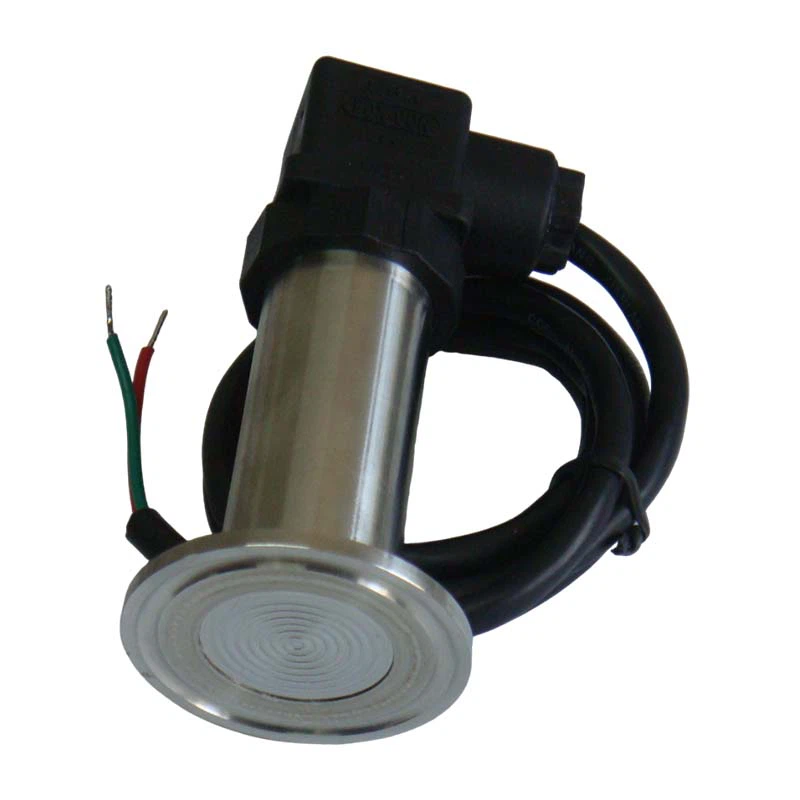
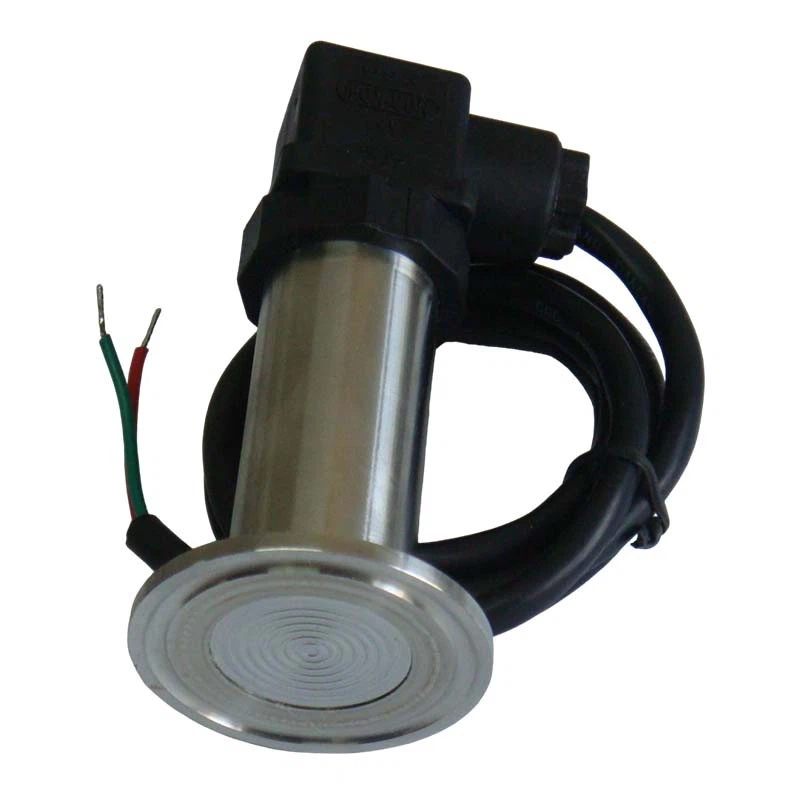
There are different grades of stainless steel, and the choice depends on the specific requirements of the application. For example, 316L stainless steel is a popular choice for pressure transmitters used in hygienic applications, such as in the pharmaceutical and food industries. It has a low carbon content, which reduces the risk of carbide precipitation and makes it easier to clean and sterilize. Check out our Hygienic Pressure Transmitter for more info on how stainless steel is used in these specialized applications.
In addition to its corrosion resistance, stainless steel is also strong and durable. It can handle high pressures and mechanical stresses without deforming or breaking. This makes it suitable for use in high-pressure applications, such as hydraulic systems and industrial pipelines. Our Transmitter stability stainless steel is designed to provide accurate and reliable measurements even in the most demanding conditions.
Ceramics
Ceramics are another important material used in pressure transmitters. They offer several advantages, including high sensitivity, excellent chemical resistance, and low thermal expansion. These properties make ceramics ideal for use in applications where precise measurements are required, such as in laboratory settings and industrial automation.
One of the most common types of ceramics used in pressure transmitters is alumina (Al2O3). Alumina ceramics have a high hardness and wear resistance, which makes them suitable for use in abrasive environments. They also have a low dielectric constant, which reduces the interference from electrical signals and improves the accuracy of the measurements.
Another type of ceramic used in pressure transmitters is silicon carbide (SiC). Silicon carbide ceramics have a high thermal conductivity and can withstand high temperatures without losing their mechanical properties. This makes them suitable for use in high-temperature applications, such as in the aerospace and automotive industries.
Polymers
Polymers are also used in the construction of pressure transmitters, especially in applications where flexibility and chemical resistance are required. Polymers are lightweight, easy to process, and can be molded into different shapes and sizes. They are also resistant to a wide range of chemicals, which makes them suitable for use in corrosive environments.
One of the most common polymers used in pressure transmitters is polyvinyl chloride (PVC). PVC is a versatile polymer that is widely used in the construction industry. It is resistant to water, chemicals, and UV radiation, which makes it suitable for use in outdoor applications. PVC is also relatively inexpensive, which makes it a cost-effective option for many applications.
Another polymer used in pressure transmitters is polytetrafluoroethylene (PTFE), also known as Teflon. PTFE is a high-performance polymer that is known for its excellent chemical resistance and low friction coefficient. It is used in applications where a non-stick surface is required, such as in the food and beverage industry. PTFE is also resistant to high temperatures and can withstand harsh chemicals, which makes it suitable for use in demanding environments.
Other Materials
In addition to stainless steel, ceramics, and polymers, there are other materials that can be used in the construction of pressure transmitters, depending on the specific requirements of the application. For example, some pressure transmitters use glass or quartz for their sensing elements. Glass and quartz have a high transparency and can be used to measure pressure in optical applications.
Some pressure transmitters also use precious metals, such as gold and platinum, for their electrical contacts. Precious metals have a high conductivity and are resistant to corrosion, which makes them suitable for use in high-precision applications.
Conclusion
As you can see, there are many different materials used in the construction of pressure transmitters, each with its own unique properties and advantages. The choice of material depends on the specific requirements of the application, such as the operating environment, the pressure range, and the accuracy required.
At our company, we offer a wide range of pressure transmitters made from different materials to meet the needs of our customers. Whether you need a pressure transmitter for a high-pressure application, a corrosive environment, or a hygienic setting, we have the right solution for you. Check out our Intelligent Industrial Pressure Transmitter for more information on our advanced pressure measurement solutions.
If you're interested in learning more about our pressure transmitters or have any questions about the materials used in their construction, please don't hesitate to contact us. We'd be happy to help you find the right pressure transmitter for your application and discuss the best materials for your specific needs. Let's start a conversation and see how we can work together to meet your pressure measurement requirements.
References
- Callister, W. D., & Rethwisch, D. G. (2011). Materials Science and Engineering: An Introduction. Wiley.
- Ashby, M. F., & Jones, D. R. H. (2005). Engineering Materials 1: An Introduction to Properties, Applications, and Design. Butterworth-Heinemann.
- Schwenzer, B. (2012). Pressure Sensors: Fundamentals, Technology, and Applications. Wiley-VCH.