

In the field of industrial measurement, choosing the right level meter is crucial for ensuring accurate and reliable data. Two popular options are float level meters and ultrasonic level meters. As a supplier of ultrasonic level meters, I often encounter customers who are unsure about when to choose a float level meter over an ultrasonic level meter. In this blog post, I will discuss the factors that can help you make an informed decision.
Working Principles
Before delving into the selection criteria, it's essential to understand the working principles of both types of level meters.
A float level meter operates based on the buoyancy principle. It consists of a float that rises and falls with the liquid level. The position of the float is then translated into an electrical signal, which can be used to determine the liquid level. This type of level meter is simple in design and has been used for many years in various industries.
On the other hand, an ultrasonic level meter uses ultrasonic waves to measure the distance between the sensor and the liquid surface. The sensor emits ultrasonic pulses, which travel through the air and reflect off the liquid surface. The time taken for the pulses to return to the sensor is then used to calculate the distance and, consequently, the liquid level. Ultrasonic level meters are known for their non - contact measurement, high accuracy, and wide range of applications.
Accuracy Requirements
One of the primary factors to consider when choosing between a float level meter and an ultrasonic level meter is the required accuracy of the measurement.
Float level meters typically offer relatively lower accuracy compared to ultrasonic level meters. The accuracy of a float level meter can be affected by factors such as the density of the liquid, the movement of the float, and mechanical wear and tear. In applications where a high degree of accuracy is not critical, such as in some general storage tanks or simple process vessels, a float level meter may be sufficient.
Ultrasonic level meters, however, can provide high - precision measurements. They can achieve accuracies of up to ±0.1% of the full scale, depending on the model and the operating conditions. If your application requires precise level measurement, such as in chemical dosing systems or high - value liquid storage, an ultrasonic level meter would be a better choice. For example, our 4 - 20mA RS485 Integrated Four Line Liquid Level Gauge offers high accuracy and reliable performance for demanding applications.
Liquid Characteristics
The characteristics of the liquid being measured also play a significant role in the selection process.
Float level meters are suitable for liquids with relatively stable densities and viscosities. They may not work well in liquids with high viscosity, as the float may get stuck or move sluggishly, leading to inaccurate measurements. Additionally, if the liquid contains solids or debris, it can cause the float to malfunction or become damaged.
Ultrasonic level meters, being non - contact devices, are less affected by the physical properties of the liquid. They can be used to measure the level of liquids with different viscosities, densities, and even in the presence of some solids or debris. However, ultrasonic level meters may face challenges in applications where the liquid surface is highly turbulent or foamy. The ultrasonic waves can be scattered by the foam or turbulence, leading to inaccurate readings. In such cases, special techniques or additional accessories may be required to ensure accurate measurement. Our Two - wire Ultrasonic Level Meter is designed to handle a wide range of liquid conditions with proper calibration and setup.
Environmental Conditions
The environmental conditions in which the level meter will operate are another important consideration.
Float level meters are mechanical devices, which means they are more susceptible to mechanical damage and wear. In harsh environments with high vibrations, extreme temperatures, or corrosive atmospheres, the performance and lifespan of a float level meter can be significantly reduced. Special materials and protective enclosures may be required to ensure its proper operation in such conditions.
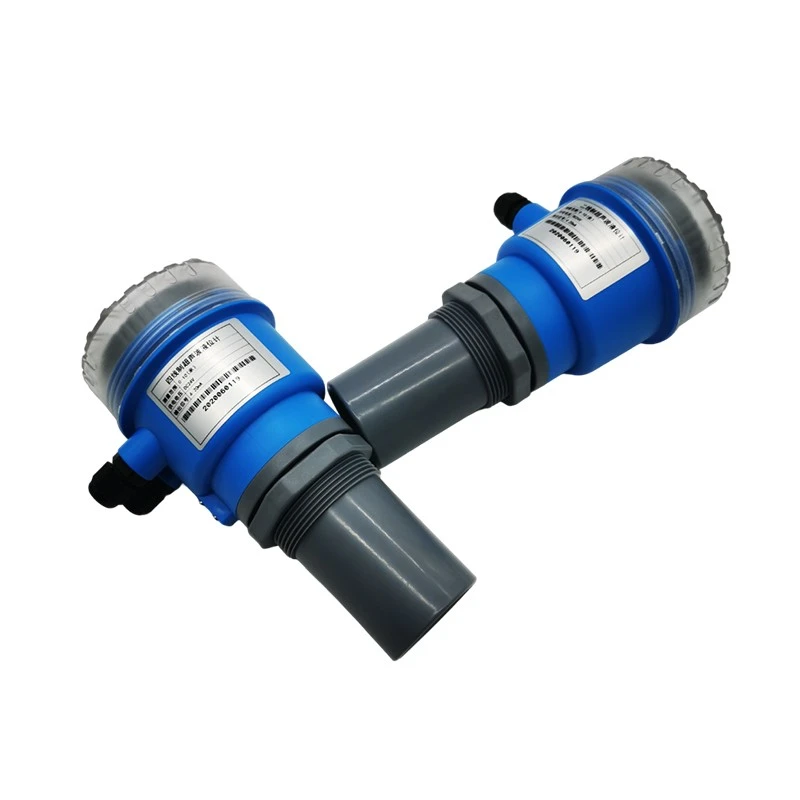

Ultrasonic level meters are generally more suitable for harsh environments. They have no moving parts, which reduces the risk of mechanical failure. They can be designed to withstand a wide range of temperatures, pressures, and corrosive substances. For example, our Four Wire Explosion - proof Ultrasonic Level Gauge Tsl300e is specifically designed for use in explosive atmospheres and corrosive environments, providing reliable level measurement in challenging conditions.
Installation and Maintenance
Installation and maintenance requirements are also important factors when choosing a level meter.
Float level meters require direct contact with the liquid, which means they need to be installed inside the tank or vessel. This can be a complex and time - consuming process, especially in large or hard - to - access tanks. Additionally, float level meters may require regular maintenance, such as cleaning the float and checking the mechanical components for wear and tear.
Ultrasonic level meters, on the other hand, are relatively easy to install. They can be mounted on the top of the tank or vessel, without the need for direct contact with the liquid. This makes the installation process quicker and less invasive. Maintenance requirements for ultrasonic level meters are also minimal. Usually, it only involves periodic calibration and checking of the sensor for any damage or dirt.
Cost Considerations
Cost is always a factor in any purchasing decision.
Float level meters are generally less expensive than ultrasonic level meters. They have a simpler design and fewer components, which results in a lower manufacturing cost. If your budget is limited and you do not require high - end features or extreme accuracy, a float level meter may be a cost - effective solution.
However, when considering the total cost of ownership, it's important to take into account factors such as installation, maintenance, and the lifespan of the device. Ultrasonic level meters may have a higher upfront cost, but their lower maintenance requirements and longer lifespan can result in lower overall costs in the long run, especially in critical applications.
Conclusion
In summary, the choice between a float level meter and an ultrasonic level meter depends on several factors, including accuracy requirements, liquid characteristics, environmental conditions, installation and maintenance needs, and cost considerations. If you need high - accuracy measurement, are dealing with challenging liquid or environmental conditions, or require easy installation and low maintenance, an ultrasonic level meter is likely the better choice. On the other hand, if accuracy is not a top priority, the liquid has stable properties, and cost is a major concern, a float level meter may be more suitable.
As a supplier of ultrasonic level meters, we are committed to providing high - quality products and professional technical support. If you are still unsure about which level meter is right for your application, or if you would like to discuss your specific requirements in more detail, please feel free to contact us for further assistance. We look forward to working with you to find the best level measurement solution for your needs.
References
- [1] "Level Measurement Handbook", by Endress + Hauser
- [2] "Industrial Instrumentation and Control Handbook", by Bela G. Liptak