

(1) Non-contact measurement is possible; (2) Measurement is done without flow obstruction and without pressure loss; (3) Non-conductive liquids can be measured, which is a supplement to electromagnetic flowmeters that do not measure obstruction.
Disadvantages:
(1) The propagation time method can only be used for clean liquids and gases; while the Doppler method can only be used to measure liquids containing a certain amount of suspended particles and bubbles; (2) The Doppler method has low measurement accuracy.
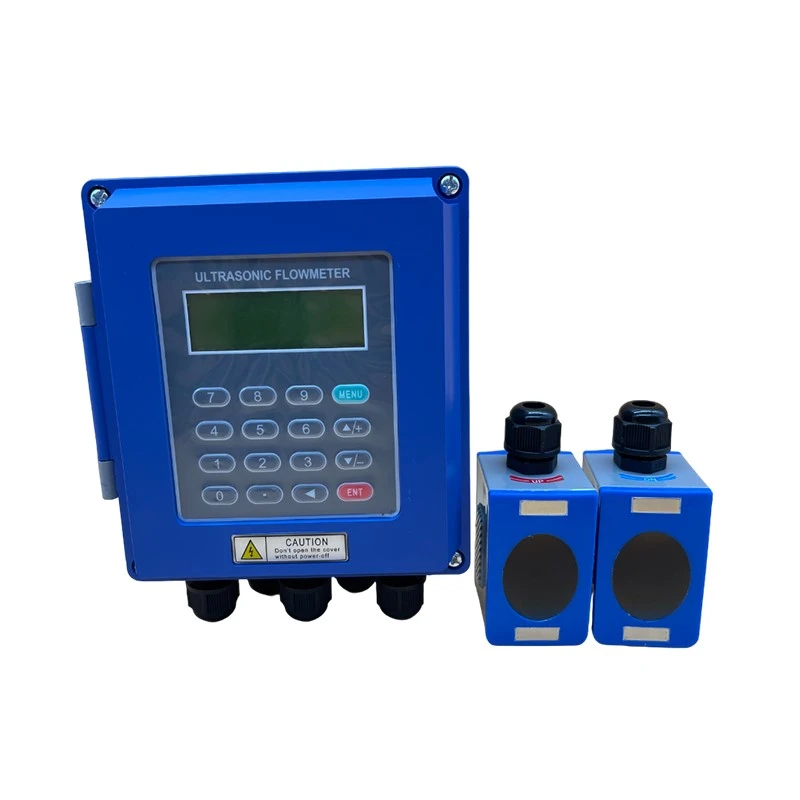
Application Overview:
(1) The propagation time method is applied to clean, single-phase liquids and gases. Typical applications include factory discharge liquids, strange liquids, liquefied natural gas, etc.;
(2) For gas applications, there is good experience in the field of high-pressure natural gas;
(3) The Doppler method is suitable for two-phase fluids with low heterogeneity content, such as untreated sewage, factory discharge liquids, and dirty process liquids; it is usually not suitable for very clean liquids.