

Hey there! As a supplier of hydrostatic level gauges, I often get asked if these nifty devices can be used in aquaculture for water level control. Well, let's dive right into it and explore this topic.
First off, what the heck is a hydrostatic level gauge? It's a device that measures the pressure exerted by a liquid column to figure out the liquid level. In simple terms, it can tell you how much water is in a tank or a pond by sensing the pressure at the bottom.
Now, why would you even need water level control in aquaculture? Well, proper water levels are super crucial for the health and well - being of the aquatic creatures. If the water level is too low, it can lead to poor water quality, as there's less water to dilute waste products. This can stress the fish or other aquaculture species, making them more prone to diseases. On the other hand, if the water level is too high, it can put extra pressure on the pond or tank walls, increasing the risk of leaks or even structural failures.
So, can a hydrostatic level gauge do the job? The answer is a big fat yes! One of the main advantages of using a hydrostatic level gauge in aquaculture is its accuracy. These gauges can provide very precise measurements of the water level. For example, the Input Type Static Pressure Liquid Level Transmitter is designed to accurately measure the pressure of the water column, which directly corresponds to the water level. This accuracy is essential in aquaculture, where even small changes in water level can have a significant impact on the environment.
Another great thing about hydrostatic level gauges is their durability. In aquaculture, the equipment has to withstand harsh conditions, including exposure to water, chemicals, and sometimes even rough handling. Hydrostatic level gauges are built tough. The putting - into - type liquid level meter is made with high - quality materials that can resist corrosion and damage from the water and any chemicals that might be used in the aquaculture process.
Installation is also a breeze. You don't need to be a rocket scientist to set up a hydrostatic level gauge. Most of these gauges can be easily submerged into the water, and they come with simple instructions for connection. The Submersible Liquid Level Sensor is a perfect example. It can be quickly installed in a pond or tank, and it starts providing accurate water level readings right away.
Now, let's talk about some real - world applications. In fish farms, hydrostatic level gauges can be used to monitor the water level in fish ponds. This helps the farmers maintain the optimal water level for the fish. If the water level drops below a certain point, an alarm can be set up to notify the farmer, who can then add more water to the pond. In shrimp farms, the same principle applies. Shrimp are very sensitive to changes in water quality and level, so having an accurate water level control system is crucial for their survival and growth.
In recirculating aquaculture systems (RAS), hydrostatic level gauges play an even more important role. RAS are closed - loop systems where water is continuously recycled. Maintaining the right water level is essential for the proper functioning of the filtration and oxygenation systems. A hydrostatic level gauge can ensure that the water level remains stable, preventing any disruptions in the system.
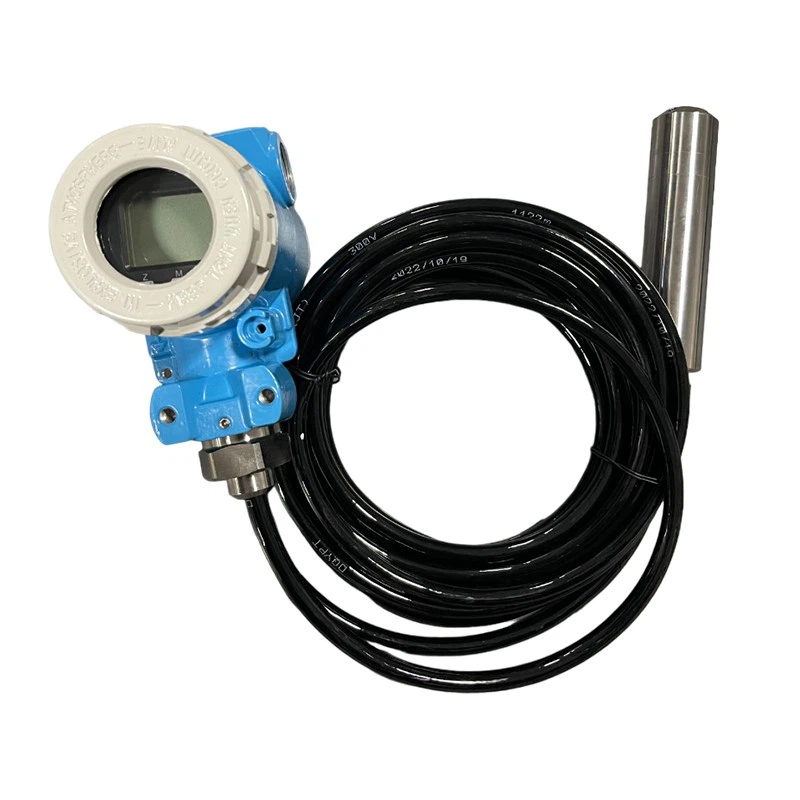

But, like any technology, hydrostatic level gauges aren't without their challenges. One of the main issues is fouling. In aquaculture, there can be a lot of organic matter in the water, such as algae and fish waste. This organic matter can stick to the gauge, affecting its accuracy. However, most modern hydrostatic level gauges are designed with anti - fouling features. For example, some gauges have special coatings that prevent organic matter from adhering to the surface.
Another challenge is calibration. Over time, the gauge might need to be calibrated to ensure accurate readings. But don't worry, this isn't a difficult process. Most manufacturers provide clear instructions on how to calibrate the gauge, and in some cases, they even offer calibration services.
In conclusion, hydrostatic level gauges are a great tool for water level control in aquaculture. They offer accuracy, durability, and ease of use. Whether you're running a small - scale fish farm or a large - scale aquaculture operation, a hydrostatic level gauge can help you maintain the optimal water level for your aquatic species.
If you're interested in learning more about our hydrostatic level gauges or are thinking about purchasing one for your aquaculture setup, I'd love to hear from you. Just reach out, and we can have a chat about how our products can meet your specific needs.
References
- Aquaculture Engineering: Principles and Practice. John S. Diana.
- Handbook of Water and Wastewater Treatment Technologies. Frank R. Spellman.