

In the paper and pulp industry, precise and reliable level measurement is crucial for efficient and safe operations. One technology that has shown great potential in this regard is the hydrostatic level gauge. As a supplier of hydrostatic level gauges, I am often asked whether these devices can be effectively used in the paper and pulp industry. In this blog post, I will explore the suitability of hydrostatic level gauges for this industry, discussing their working principles, advantages, challenges, and applications.
Working Principles of Hydrostatic Level Gauges
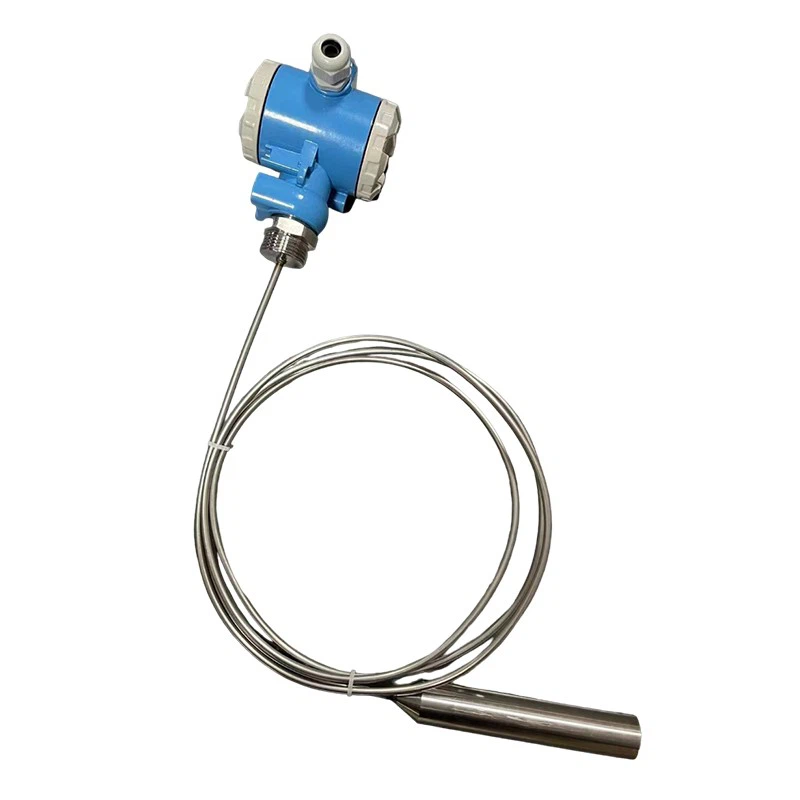
Hydrostatic level gauges operate on the principle that the pressure exerted by a liquid column is directly proportional to its height. By measuring the hydrostatic pressure at the bottom of a tank or vessel, the level of the liquid can be accurately determined. These gauges typically consist of a pressure sensor that is submerged in the liquid or mounted at the bottom of the tank. The sensor converts the pressure into an electrical signal, which is then transmitted to a control system or display unit for further processing.
There are several types of hydrostatic level gauges available, including Input Type Static Pressure Liquid Level Transmitter, putting-into-type liquid level meter, and Submersible Liquid Level Sensor. Each type has its own unique features and advantages, making them suitable for different applications and environments.
Advantages of Hydrostatic Level Gauges in the Paper and Pulp Industry
The paper and pulp industry involves a variety of processes that require accurate level measurement, such as stock preparation, pulp digestion, bleaching, and paper machine operations. Hydrostatic level gauges offer several advantages that make them well-suited for these applications:
1. High Accuracy
Hydrostatic level gauges provide highly accurate level measurements, with an accuracy of up to ±0.1% of the full scale. This level of accuracy is essential for ensuring consistent product quality and efficient process control in the paper and pulp industry.
2. Wide Range of Measurement
These gauges can measure liquid levels in a wide range of tanks and vessels, from small storage tanks to large pulp digesters. They can also handle different types of liquids, including water, pulp suspensions, chemicals, and solvents, making them versatile for use in various processes.
3. Simple Installation and Maintenance
Hydrostatic level gauges are relatively easy to install and require minimal maintenance. They can be directly submerged in the liquid or mounted at the bottom of the tank, eliminating the need for complex piping or additional equipment. This simplicity reduces installation costs and downtime, making them a cost-effective solution for the paper and pulp industry.
4. Resistance to Harsh Environments
The paper and pulp industry often involves harsh operating conditions, such as high temperatures, high pressures, and corrosive chemicals. Hydrostatic level gauges are designed to withstand these harsh environments, with materials and construction that are resistant to corrosion, abrasion, and high temperatures. This ensures reliable and long-term performance in challenging industrial settings.
5. Compatibility with Existing Systems
Hydrostatic level gauges can be easily integrated with existing control systems and instrumentation in the paper and pulp industry. They can provide analog or digital output signals that can be used for process control, monitoring, and alarm systems, allowing for seamless integration into the overall production process.
Challenges and Considerations
While hydrostatic level gauges offer many advantages, there are also some challenges and considerations that need to be taken into account when using them in the paper and pulp industry:
1. Viscosity and Density Changes
Pulp suspensions and other liquids in the paper and pulp industry can have varying viscosities and densities, which can affect the accuracy of hydrostatic level measurements. To compensate for these changes, it may be necessary to use additional sensors or calibration techniques to ensure accurate level readings.
2. Buildup and Fouling
The presence of solids, fibers, and other contaminants in the liquid can cause buildup and fouling on the pressure sensor, leading to inaccurate measurements or sensor failure. Regular cleaning and maintenance of the sensor are essential to prevent these issues and ensure reliable operation.
3. Pressure and Temperature Effects
High pressures and temperatures in the paper and pulp industry can also affect the performance of hydrostatic level gauges. It is important to select gauges that are designed to withstand these conditions and to use appropriate pressure and temperature compensation techniques to ensure accurate measurements.
4. Installation Location
The installation location of the hydrostatic level gauge can also impact its performance. It is important to choose a location that is free from turbulence, air bubbles, and other disturbances that can affect the pressure measurement. Additionally, the gauge should be installed at a sufficient depth to ensure accurate readings, especially in large tanks or vessels.
Applications in the Paper and Pulp Industry
Hydrostatic level gauges are used in a variety of applications in the paper and pulp industry, including:

1. Stock Preparation
In stock preparation, hydrostatic level gauges are used to measure the level of pulp suspensions in storage tanks, chests, and other vessels. This information is used to control the flow of pulp and water, ensuring consistent pulp quality and efficient processing.
2. Pulp Digestion
During the pulp digestion process, hydrostatic level gauges are used to monitor the level of cooking liquor and pulp in the digester. This helps to control the cooking time, temperature, and pressure, ensuring optimal pulp yield and quality.
3. Bleaching
In the bleaching process, hydrostatic level gauges are used to measure the level of bleaching chemicals and pulp in the bleaching towers and tanks. This information is used to control the dosage of chemicals and the flow of pulp, ensuring effective bleaching and environmental compliance.
4. Paper Machine Operations
Hydrostatic level gauges are also used in paper machine operations to measure the level of water and pulp in the headbox, wire section, and other parts of the machine. This helps to control the consistency and flow of the pulp, ensuring uniform paper formation and quality.
Conclusion
In conclusion, hydrostatic level gauges can be effectively used in the paper and pulp industry to provide accurate and reliable level measurements. Their high accuracy, wide range of measurement, simple installation and maintenance, resistance to harsh environments, and compatibility with existing systems make them a suitable choice for various applications in this industry. However, it is important to consider the challenges and limitations associated with their use and to take appropriate measures to ensure accurate and reliable operation.
If you are in the paper and pulp industry and are looking for a reliable and cost-effective solution for level measurement, I encourage you to consider our hydrostatic level gauges. Our products are designed to meet the specific needs of the paper and pulp industry, offering high performance, durability, and accuracy. Contact us today to learn more about our products and how they can benefit your operations. We look forward to discussing your requirements and providing you with the best level measurement solution for your business.
References
- "Level Measurement in the Pulp and Paper Industry," Emerson Process Management.
- "Hydrostatic Level Measurement: Principles and Applications," Vega Grieshaber KG.
- "Paper and Pulp Industry Handbook," TAPPI Press.