

As a reputable supplier of pH meters, I often encounter various inquiries from customers, and one question that frequently comes up is: "Can a pH meter measure the pH of solids?" This seemingly straightforward question delves into the intricacies of pH measurement and the capabilities of pH meters. In this blog post, I will explore this topic in detail, shedding light on the science behind pH measurement, the limitations of measuring solid substances, and the available solutions for obtaining relevant pH - related information.
Understanding pH and pH Meters
Before we discuss whether a pH meter can measure the pH of solids, it's essential to understand what pH is and how pH meters work. pH is a measure of the acidity or alkalinity of a solution. It is defined as the negative logarithm of the hydrogen ion concentration in a solution. A pH value of 7 is considered neutral, values below 7 indicate acidity, and values above 7 indicate alkalinity.
A typical pH meter consists of a pH electrode, a reference electrode, and a meter to display the pH reading. The pH electrode contains a glass membrane that is sensitive to hydrogen ions. When the electrode is immersed in a solution, a potential difference is generated across the glass membrane, which is proportional to the hydrogen ion concentration in the solution. The reference electrode provides a stable reference potential, and the meter measures the potential difference between the two electrodes and converts it into a pH value.
Challenges of Measuring the pH of Solids
The fundamental design of a pH meter is based on measuring the hydrogen ion concentration in a liquid solution. Solids, by their nature, do not have freely moving hydrogen ions in the same way that liquids do. The hydrogen ions in solids are often bound within the crystal lattice or molecular structure of the solid material, and they are not readily available for interaction with the pH electrode's glass membrane.
Moreover, the surface properties of solids can vary greatly. Some solids may have a rough or porous surface, which can trap air bubbles or contaminants. These air bubbles can prevent the proper contact between the pH electrode and the solid - liquid interface, leading to inaccurate or inconsistent readings. Additionally, the presence of impurities or coatings on the solid surface can interfere with the measurement process.
Indirect Methods for Measuring pH - Related Information of Solids
Although a pH meter cannot directly measure the pH of solids, there are several indirect methods that can provide valuable information about the acidity or alkalinity of solid materials.
Aqueous Extract Method
One of the most common methods is the aqueous extract method. In this method, a sample of the solid is mixed with a known volume of distilled water or a specific extraction solution. The mixture is then shaken or stirred for a certain period to allow the soluble components in the solid to dissolve into the water. After that, the mixture is filtered to separate the solid residue from the liquid extract. The pH of the aqueous extract can then be measured using a pH meter. This method assumes that the soluble components in the solid are representative of the overall acidity or alkalinity of the material. For example, in soil science, the pH of a soil sample is often measured by preparing an aqueous extract of the soil. The pH of the soil extract can provide important information about the soil's fertility and the availability of nutrients to plants.

Slurry Method
Another approach is the slurry method. Instead of completely separating the solid from the liquid, a slurry is formed by mixing the solid with a small amount of water. The pH electrode is then immersed directly into the slurry. This method can be useful when the solid is difficult to dissolve completely or when the interaction between the solid and the liquid phase is important. However, it is important to note that the pH reading of the slurry may be affected by factors such as the solid - to - liquid ratio, the particle size of the solid, and the settling of the solid particles over time.
Applications of Measuring pH - Related Information of Solids
The ability to obtain pH - related information about solids has many practical applications in various industries.
Environmental Monitoring
In environmental science, measuring the pH of soil, sediment, and waste materials is crucial for assessing environmental quality. For example, in mining areas, the pH of mine tailings can indicate the potential for acid mine drainage, which can have a significant impact on water quality and aquatic ecosystems. By monitoring the pH of these solid materials, appropriate remediation measures can be taken to prevent or mitigate environmental damage.
Food and Agriculture
In the food industry, the pH of solid food products such as fruits, vegetables, and meat can affect their taste, texture, and shelf - life. Measuring the pH of these products can help ensure food safety and quality control. In agriculture, the pH of fertilizers and soil amendments can influence their effectiveness. By knowing the pH of these solid materials, farmers can make more informed decisions about their application.
Industrial Processes
In industrial settings, the pH of solid raw materials or intermediate products can impact the efficiency and quality of manufacturing processes. For example, in the production of ceramics, the pH of the clay can affect the plasticity and firing properties of the ceramic material. By controlling the pH of the raw materials, manufacturers can optimize the production process and improve the quality of the final products.
Our Range of pH Meters for Various Applications
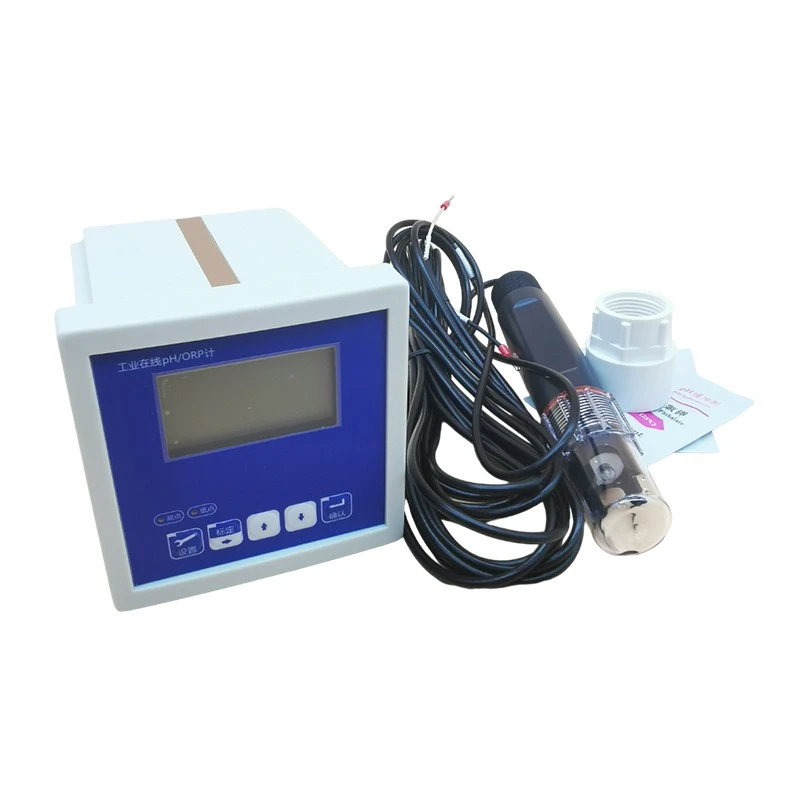
As a leading supplier of pH meters, we offer a wide range of products that are suitable for different applications. Our Industrial Inline Ph Meter is designed for continuous monitoring of pH in industrial processes. It can be installed directly in pipelines or tanks, providing real - time pH data for process control. The Acid - base Detector is a portable and easy - to - use device that can be used for on - site testing. It is ideal for field applications such as environmental monitoring and quality control. Our Online Ph Meter is equipped with advanced communication capabilities, allowing remote monitoring and data logging. This is particularly useful for large - scale industrial facilities or research institutions.
Conclusion
In conclusion, while a pH meter cannot directly measure the pH of solids due to the nature of solid materials and the design of the pH meter, there are indirect methods available to obtain pH - related information. These methods, such as the aqueous extract method and the slurry method, can provide valuable insights into the acidity or alkalinity of solid materials. At our company, we understand the diverse needs of our customers in different industries, and we are committed to providing high - quality pH meters and reliable technical support.
If you are interested in learning more about our pH meters or have any questions regarding pH measurement, please feel free to contact us. We look forward to discussing your specific requirements and helping you find the most suitable solution for your application.
References
- Sawyer, C. N., McCarty, P. L., & Parkin, G. F. (2003). Chemistry for Environmental Engineering and Science. McGraw - Hill.
- Sparks, D. L. (1996). Soil Physical Chemistry. CRC Press.
- Hines, A. L., & Maddox, R. N. (1985). Mass Transfer Fundamentals and Applications. Prentice - Hall.