

Hey there! As a supplier of submersible level gauges, I often get asked whether these nifty devices can be used in coolant storage tanks. Well, let's dive right into it and explore this question in detail.
First off, let's understand what a submersible level gauge is. In simple terms, it's a device that can be submerged in a liquid to measure its level. There are different types of submersible level gauges, like the Input Type Static Pressure Liquid Level Transmitter, Submersible Liquid Level Sensor, and Hydrostatic Level Gauge. These gauges work based on the principle of hydrostatic pressure, which means they measure the pressure exerted by the liquid column above the sensor. The higher the liquid level, the greater the pressure, and the gauge can convert this pressure into an accurate measurement of the liquid level.
Now, let's talk about coolant storage tanks. Coolants are used in a variety of applications, such as in industrial machinery, automotive engines, and HVAC systems. These tanks store the coolant, and it's crucial to monitor the coolant level to ensure the proper functioning of the equipment. If the coolant level is too low, it can lead to overheating, which can damage the machinery or engine. On the other hand, if the level is too high, it can cause leaks or other issues.
So, can a submersible level gauge be used in coolant storage tanks? The answer is a resounding yes! Here are some reasons why:
1. Accurate Measurement
Submersible level gauges are known for their high accuracy. They can provide precise measurements of the coolant level, even in tanks of different shapes and sizes. This accuracy is essential for maintaining the optimal coolant level in the tank, which in turn helps in the efficient operation of the equipment.
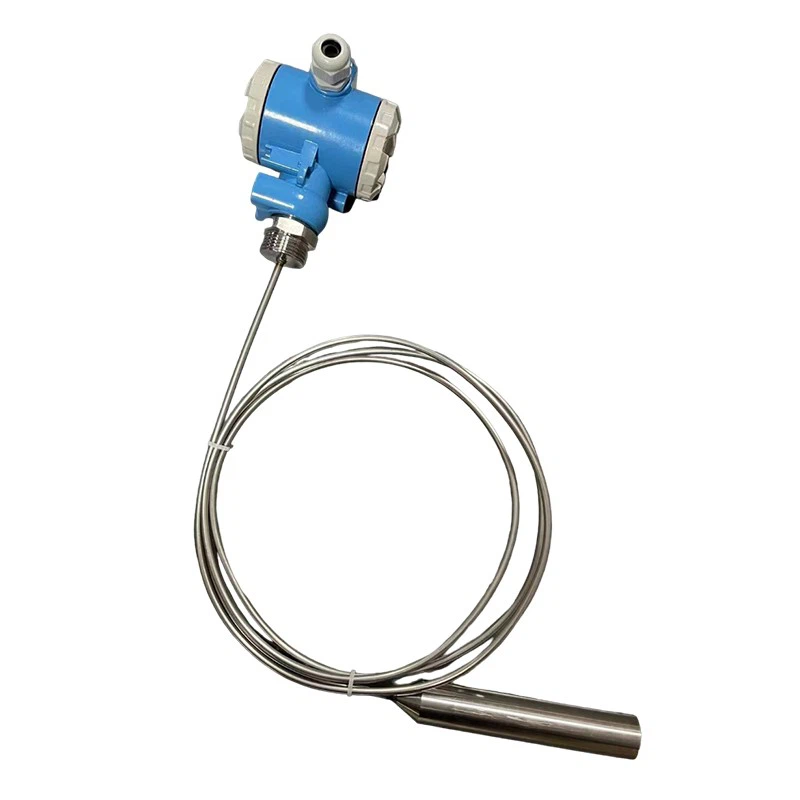
2. Easy Installation
These gauges are relatively easy to install in coolant storage tanks. They can be simply lowered into the tank and connected to the appropriate monitoring system. There's no need for complex installation procedures or additional equipment, which saves time and money.
3. Durability
Coolants can be corrosive or have specific chemical properties. Submersible level gauges are designed to withstand such harsh environments. They are made from materials that are resistant to corrosion and can handle the chemical composition of the coolant. This ensures that the gauge will last a long time and provide reliable measurements.
4. Continuous Monitoring
With a submersible level gauge, you can continuously monitor the coolant level in the tank. This real-time monitoring allows you to detect any changes in the level immediately and take appropriate action. For example, if the level drops below a certain threshold, you can refill the tank to prevent any damage to the equipment.
5. Compatibility
Submersible level gauges are compatible with different types of coolants. Whether it's water-based coolant, ethylene glycol-based coolant, or any other type, these gauges can work effectively. This makes them a versatile choice for various coolant storage tank applications.
However, there are a few things to consider when using a submersible level gauge in a coolant storage tank:
1. Chemical Compatibility
Although submersible level gauges are designed to be resistant to many chemicals, it's still important to ensure that the gauge is compatible with the specific coolant used in the tank. Some coolants may have unique chemical properties that could potentially damage the gauge over time. You should check with the gauge manufacturer to confirm compatibility.

2. Temperature Range
Coolants can operate at different temperatures, depending on the application. Make sure the submersible level gauge you choose can handle the temperature range of the coolant in the tank. Extreme temperatures can affect the performance and accuracy of the gauge.
3. Maintenance
Like any other equipment, submersible level gauges require regular maintenance. This includes cleaning the sensor to prevent any buildup of debris or contaminants, which could affect the accuracy of the measurements. You should also check the connections and calibration of the gauge periodically.
In conclusion, submersible level gauges are an excellent choice for monitoring the coolant level in storage tanks. They offer accurate measurements, easy installation, durability, continuous monitoring, and compatibility with different coolants. However, it's important to consider the chemical compatibility, temperature range, and maintenance requirements to ensure the proper functioning of the gauge.

If you're in the market for a submersible level gauge for your coolant storage tank, I'd love to help. We offer a wide range of high-quality submersible level gauges that are suitable for various applications. Feel free to reach out to us to discuss your specific needs and start a procurement negotiation.
References
- Principles of Hydrostatic Pressure Measurement in Liquid Level Gauges
- Handbook of Coolant Properties and Applications
- Best Practices for Installing and Maintaining Submersible Level Gauges