

Hey there! As a supplier of open channel flow meters, I often get asked whether these nifty devices can be used in hazardous environments. Well, let's dive right into this topic and find out.
First off, what exactly are open channel flow meters? They're instruments designed to measure the flow of liquids in open channels like rivers, canals, and industrial drainage systems. There are different types, such as ultrasonic, electromagnetic, and mechanical flow meters, each with its own way of getting the job done.
Now, when we talk about hazardous environments, we're looking at places where there are risks like explosive gases, flammable materials, or extreme temperatures. These conditions can be pretty tough on any piece of equipment, so it's crucial to make sure the flow meters can handle them.
Let's start with explosive atmospheres. In areas where there's a risk of gas explosions, you can't just use any old flow meter. You need ones that are specifically designed to be explosion-proof. Many modern open channel flow meters come with explosion-proof enclosures and intrinsically safe electrical circuits. This means they're built to prevent any sparks or heat that could potentially ignite the surrounding gases. For example, some ultrasonic open channel flow meters are certified to meet strict safety standards for use in explosive atmospheres. These certifications ensure that the flow meter won't pose a risk even in the most dangerous conditions.
Next up, flammable liquids. If your open channel is carrying flammable substances, the flow meter needs to be made from materials that won't react with these liquids. Stainless steel is a popular choice for the construction of flow meters in such environments because it's resistant to corrosion and won't spark when it comes into contact with the liquid. Also, the seals and gaskets used in the flow meter should be made from materials that are compatible with the flammable liquid. This helps to prevent any leaks that could lead to a fire hazard.
Extreme temperatures are another factor to consider. In very hot or cold environments, the performance of the flow meter can be affected. For high-temperature applications, the flow meter needs to be able to withstand the heat without losing its accuracy. Some flow meters are designed with special temperature compensation features to ensure that they can provide accurate readings even when the temperature is soaring. On the other hand, in cold environments, the flow meter needs to be protected against freezing. This might involve using insulation or heaters to keep the internal components at a suitable temperature.
Now, let's talk about the specific types of open channel flow meters and their suitability for hazardous environments.
Ultrasonic open channel flow meters are quite versatile. They work by sending ultrasonic waves across the open channel and measuring the time it takes for the waves to travel. These flow meters are non-contact, which means they don't come into direct contact with the liquid. This is a big advantage in hazardous environments because it reduces the risk of contamination and damage to the flow meter. They're also relatively easy to install and maintain. You can check out our 4 - 20mA -20~70℃Open Channel Flowmeter, which is a great option for a wide range of applications, including those in challenging environments.
Electromagnetic open channel flow meters are based on Faraday's law of electromagnetic induction. They're known for their high accuracy and reliability. In hazardous environments, electromagnetic flow meters can be a good choice because they have no moving parts, which reduces the risk of mechanical failure. They're also suitable for measuring the flow of conductive liquids. Our 4 - 20mA Open Channel Flowmeter offers precise measurements and can be used in various industrial settings, including those with hazardous conditions.
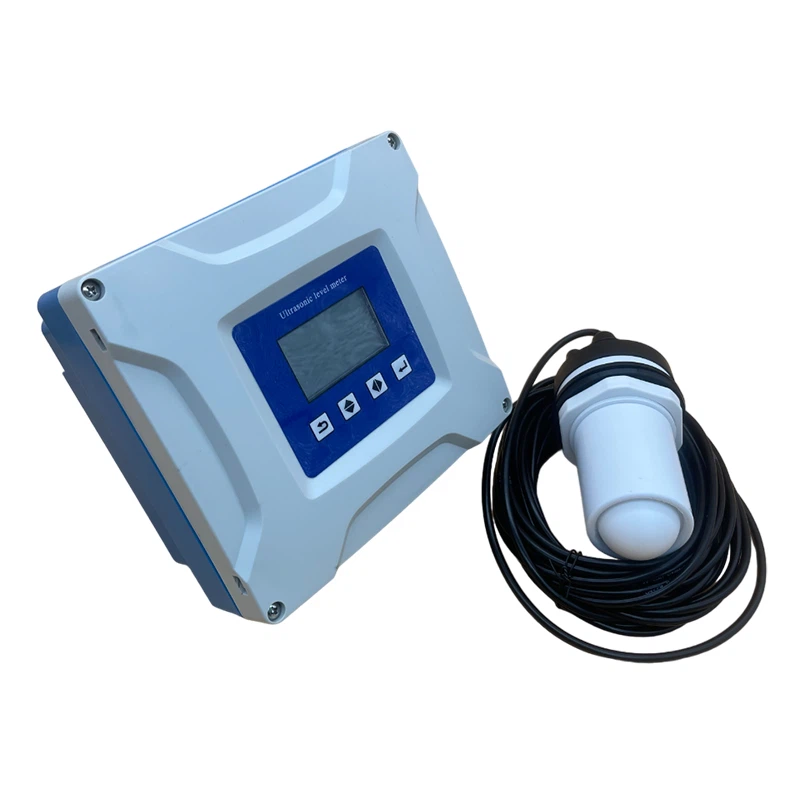

Mechanical open channel flow meters, such as weirs and flumes, are also commonly used. These flow meters rely on the physical properties of the liquid flow to measure the flow rate. While they're relatively simple and cost-effective, they may not be as suitable for some hazardous environments. For example, in areas with explosive gases, the mechanical components could potentially create sparks. However, if properly designed and installed, they can still be used in less hazardous open channel applications. Our Open Channel (babbitt) Flowmeter provides a reliable solution for many open channel flow measurement needs.
When it comes to choosing the right open channel flow meter for a hazardous environment, there are a few things to keep in mind. First, you need to understand the specific hazards present in the environment. This includes the type of gas or liquid, the temperature range, and any other potential risks. Then, you can look for flow meters that are certified to meet the relevant safety standards. It's also important to consider the installation and maintenance requirements. Some flow meters may require more frequent calibration or servicing, especially in harsh environments.
In conclusion, open channel flow meters can definitely be used in hazardous environments, but you need to choose the right ones. With the right design, materials, and safety features, these flow meters can provide accurate and reliable flow measurements even in the toughest conditions. Whether you're dealing with explosive gases, flammable liquids, or extreme temperatures, there's an open channel flow meter out there that can meet your needs.
If you're in the market for an open channel flow meter for a hazardous environment, don't hesitate to get in touch. We have a wide range of products to choose from, and our team of experts can help you find the perfect solution for your specific requirements. Let's start a conversation and see how we can help you with your flow measurement needs.
References
- "Flow Measurement Handbook: Industrial Designs and Applications" by Richard W. Miller
- "Process Instrumentation and Control Handbook" by Bela G. Liptak