

As a supplier of submersible level gauges, I often encounter questions from customers regarding the maintenance of these essential devices. One of the most frequently asked questions is, "Does a submersible level gauge need regular cleaning?" In this blog post, I will delve into this topic, exploring the reasons behind cleaning, the impact of neglecting this maintenance task, and the best practices for keeping your submersible level gauge in optimal condition.
Why Cleaning is Necessary
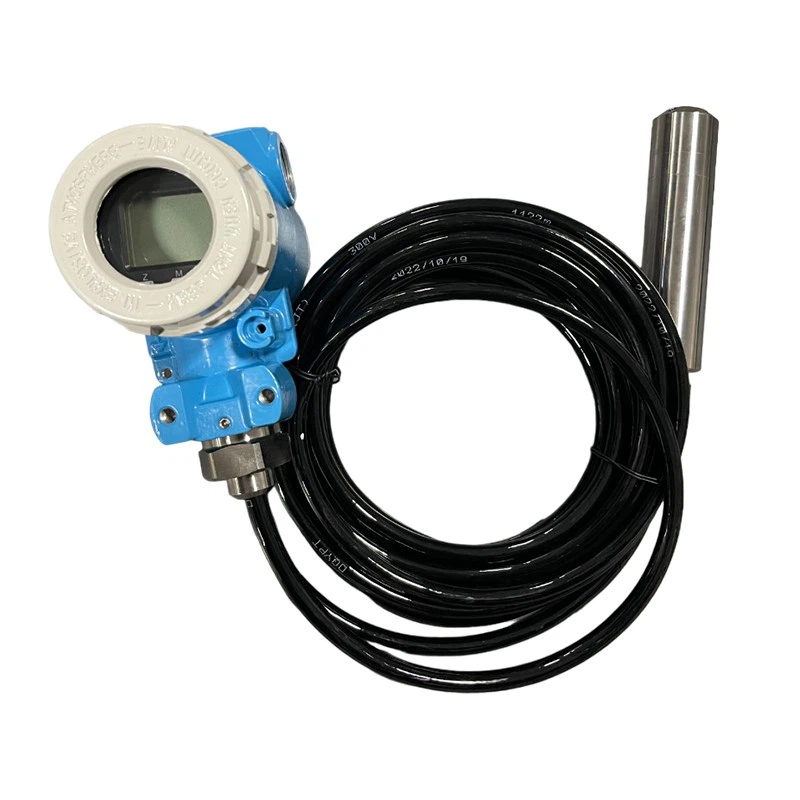
Submersible level gauges, such as the Hydrostatic Level Gauge, Submersible Liquid Level Sensor, and Static Pressure Input Liquid Level Gauge, are designed to operate in various liquid environments, including water, wastewater, chemicals, and oils. Over time, these liquids can leave behind residues, deposits, and contaminants on the gauge's surface and components.

- Accuracy and Performance: One of the primary reasons for regular cleaning is to maintain the accuracy and performance of the submersible level gauge. Residues and deposits can interfere with the gauge's sensors, causing inaccurate readings. For example, in a wastewater treatment plant, solids and sludge can accumulate on the gauge's diaphragm, leading to false level measurements. By cleaning the gauge regularly, you can ensure that it provides reliable and precise data, which is crucial for efficient process control and management.
- Preventing Corrosion and Damage: Many liquids contain corrosive substances that can damage the submersible level gauge's materials over time. Regular cleaning helps to remove these corrosive agents, reducing the risk of corrosion and extending the gauge's lifespan. Additionally, cleaning can prevent the buildup of debris and foreign objects that could potentially cause physical damage to the gauge.
- Compliance with Standards: In some industries, such as food and beverage, pharmaceuticals, and water treatment, there are strict regulations regarding the cleanliness and hygiene of equipment. Regular cleaning of submersible level gauges is necessary to comply with these standards and ensure the safety and quality of the products or processes.
Signs that Your Submersible Level Gauge Needs Cleaning
It is important to be aware of the signs that indicate your submersible level gauge needs cleaning. Here are some common indicators:
- Inaccurate Readings: If you notice that the level readings from your gauge are inconsistent or do not match the expected values, it could be a sign of dirt or debris interfering with the sensors.
- Slow Response Time: A dirty gauge may have a slower response time to changes in liquid level, which can affect the efficiency of your processes.
- Visible Residue or Deposits: If you can see visible residue or deposits on the gauge's surface or components, it is a clear indication that cleaning is required.
- Unusual Noise or Vibration: Unusual noise or vibration from the gauge could be a sign of a mechanical problem caused by dirt or debris.
Best Practices for Cleaning Submersible Level Gauges
Cleaning a submersible level gauge requires careful attention to ensure that the gauge is not damaged. Here are some best practices to follow:

- Read the Manufacturer's Instructions: Before cleaning your submersible level gauge, it is important to read the manufacturer's instructions carefully. The instructions will provide specific guidelines on the cleaning method, cleaning agents, and any precautions to take.
- Use the Right Cleaning Agents: Use only cleaning agents that are recommended by the manufacturer. Avoid using abrasive or corrosive cleaners, as they can damage the gauge's materials. Mild detergents or specialized cleaning solutions are usually suitable for most submersible level gauges.
- Disconnect the Power: Before cleaning the gauge, make sure to disconnect the power supply to prevent electrical shock.
- Remove the Gauge from the Liquid: If possible, remove the submersible level gauge from the liquid before cleaning. This will make it easier to access all parts of the gauge and ensure a thorough cleaning.
- Clean the Exterior: Use a soft cloth or brush to gently clean the exterior of the gauge. Remove any visible dirt, debris, or residue. Pay special attention to the sensor area and the diaphragm.
- Clean the Interior (if applicable): Some submersible level gauges may have internal components that require cleaning. If this is the case, follow the manufacturer's instructions carefully to disassemble and clean the internal parts.
- Rinse and Dry: After cleaning, rinse the gauge thoroughly with clean water to remove any remaining cleaning agents. Dry the gauge completely before reinstalling it.
- Reinstall and Test: Once the gauge is dry, reinstall it in the liquid and reconnect the power supply. Test the gauge to ensure that it is functioning properly and providing accurate readings.
Frequency of Cleaning
The frequency of cleaning your submersible level gauge depends on several factors, including the type of liquid it is immersed in, the operating environment, and the level of contamination. In general, it is recommended to clean the gauge at least once every three to six months. However, in more demanding applications or environments with high levels of contamination, more frequent cleaning may be necessary.
Conclusion
In conclusion, regular cleaning is essential for maintaining the accuracy, performance, and longevity of submersible level gauges. By following the best practices outlined in this blog post and cleaning your gauge at the appropriate intervals, you can ensure that it continues to provide reliable and precise level measurements.
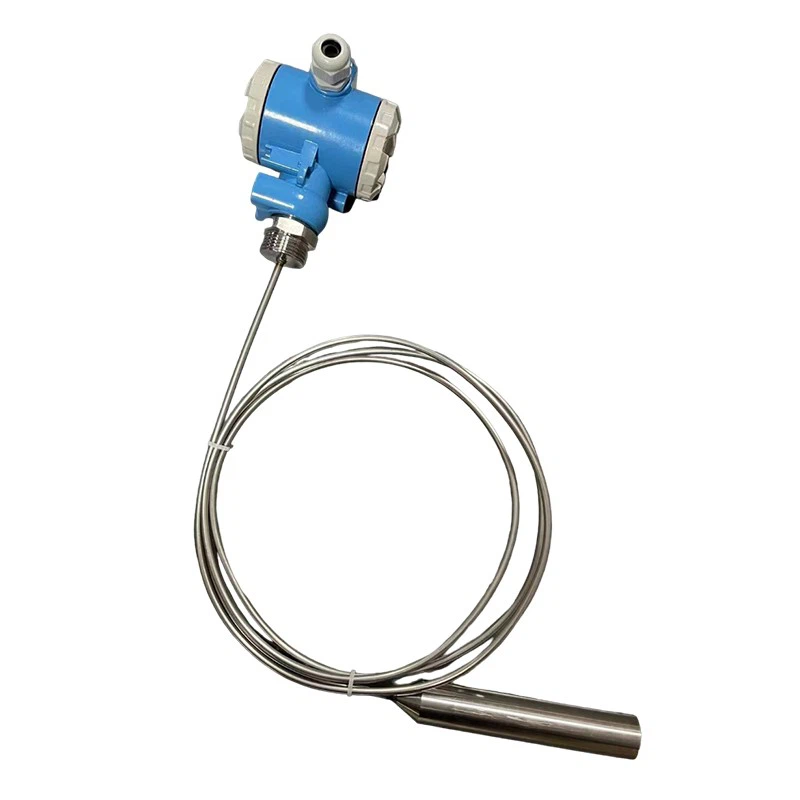
If you are in the market for a high-quality submersible level gauge or have any questions about maintenance and cleaning, please feel free to contact us. We are a leading supplier of submersible level gauges and can provide you with the products and support you need. Let's start a conversation about your specific requirements and how we can help you achieve optimal performance in your applications.
References
- Manufacturer's manuals for submersible level gauges
- Industry standards and regulations for equipment cleanliness and maintenance
- Technical articles and research on submersible level gauge performance and maintenance