

Hey there! As a supplier of dissolved oxygen meters, I often get asked about how accurate these little gadgets really are. So, I thought I'd take some time to break it down for you and give you the lowdown on what affects their accuracy and how you can make sure you're getting the most reliable readings.
Let's start with the basics. A dissolved oxygen meter is a tool that measures the amount of oxygen dissolved in a liquid, usually water. This is super important in a bunch of different industries, like environmental monitoring, aquaculture, and wastewater treatment. Knowing the dissolved oxygen levels can tell you a lot about the health of the water and the organisms living in it.
How Dissolved Oxygen Meters Work
There are a few different types of dissolved oxygen meters out there, but the two main ones are the electrochemical and the optical (fluorescence) meters.
Electrochemical meters work by using a probe with electrodes. When the probe is submerged in the water, a chemical reaction occurs at the electrodes, and this generates an electrical current. The strength of this current is proportional to the amount of dissolved oxygen in the water. These meters have been around for a while and are pretty reliable, but they do have some limitations. For example, they can be affected by temperature, pressure, and the presence of other chemicals in the water.
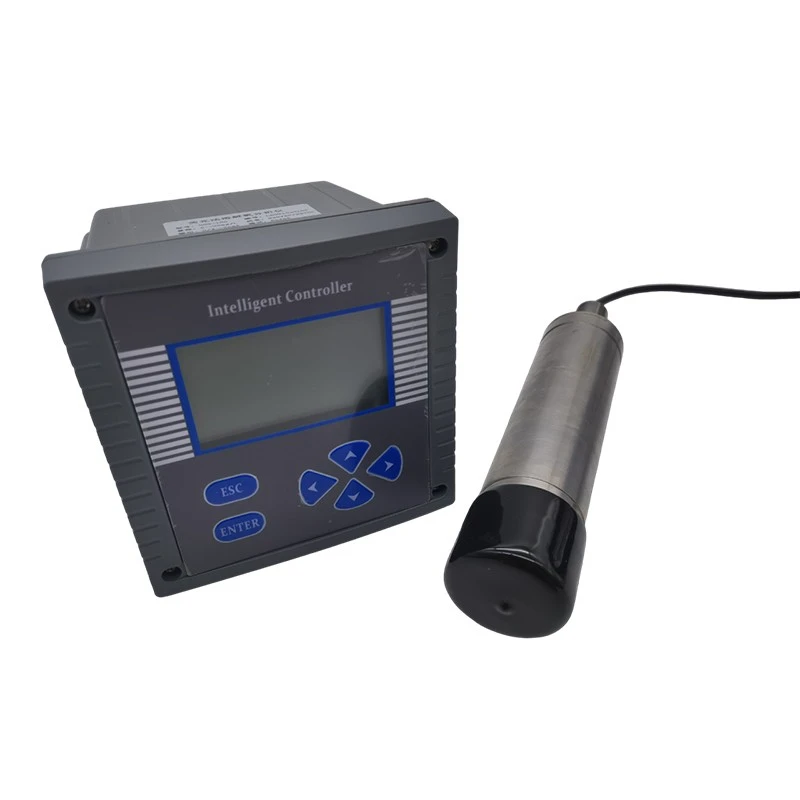
On the other hand, Fluorescence Dissolved Oxygen Meter use a different technology. They have a sensor that contains a fluorescent dye. When the dye is exposed to light, it emits fluorescence, and the intensity of this fluorescence is affected by the amount of dissolved oxygen in the water. These meters are generally more accurate and less affected by environmental factors compared to electrochemical meters. They also don't require a membrane or electrolyte, which means less maintenance.

Factors Affecting Accuracy
Now, let's talk about the things that can mess with the accuracy of a dissolved oxygen meter.
Temperature: Temperature has a big impact on the solubility of oxygen in water. As the temperature goes up, the solubility of oxygen goes down. So, if your meter isn't calibrated for the temperature of the water you're measuring, you're going to get inaccurate readings. Most modern meters have built-in temperature compensation, which helps to correct for this, but it's still important to make sure the meter is set up correctly.
Salinity: Salinity is another factor that can affect the accuracy of a dissolved oxygen meter. Saltwater can hold less oxygen than freshwater, so if you're using a meter that's calibrated for freshwater and you're measuring saltwater, you're going to get an overestimation of the dissolved oxygen levels. Some meters allow you to input the salinity of the water, which helps to adjust the readings.
Pressure: Pressure also plays a role in the solubility of oxygen in water. As the pressure increases, the solubility of oxygen increases. This is especially important if you're measuring dissolved oxygen at different depths in a body of water. If your meter isn't calibrated for the pressure at the depth you're measuring, your readings will be off.
Contamination: Contamination of the probe can also affect the accuracy of the meter. If there's dirt, algae, or other debris on the probe, it can interfere with the chemical or optical reactions that the meter uses to measure dissolved oxygen. That's why it's important to keep the probe clean and replace it when it starts to show signs of wear and tear.
Calibration and Maintenance
To get the most accurate readings from your dissolved oxygen meter, calibration and maintenance are key.
Calibration involves adjusting the meter so that it gives accurate readings. You should calibrate your meter regularly, especially if you're using it in different environments or if it's been a while since the last calibration. Most meters come with instructions on how to calibrate them, and it usually involves using a calibration solution with a known dissolved oxygen concentration.
Maintenance is also important. Make sure you clean the probe regularly to prevent contamination. Check the membrane (if it's an electrochemical meter) and replace it if it's damaged or worn out. And if you're using a fluorescence meter, make sure the sensor is in good condition.
Comparing Different Types of Meters
When it comes to choosing a dissolved oxygen meter, you have a few options. There are Handheld Dissolved Oxygen Meter and Portable Dissolved Oxygen Meter.
Handheld meters are great for on-the-go measurements. They're small, lightweight, and easy to use. They're perfect for fieldwork, like taking samples from rivers, lakes, or oceans. However, they may not have all the features of a larger, more expensive meter.
Portable meters are a bit more robust and usually have more features. They're suitable for both fieldwork and laboratory use. They often come with additional sensors for measuring other parameters, like temperature, pH, and conductivity.
Ensuring Accuracy in Your Applications
If you're using a dissolved oxygen meter for a specific application, there are some extra steps you can take to ensure accuracy.
In environmental monitoring, for example, it's important to take multiple samples from different locations and at different times. This helps to get a more accurate picture of the overall dissolved oxygen levels in the water body. You should also record the temperature, salinity, and other environmental factors at the time of sampling.
In aquaculture, maintaining the right dissolved oxygen levels is crucial for the health of the fish or other aquatic organisms. You should monitor the dissolved oxygen levels regularly and make adjustments to the aeration system as needed. Make sure the meter is placed in a location where it can get an accurate reading of the water that the organisms are living in.
In wastewater treatment, dissolved oxygen is an important parameter for the biological treatment process. You need to monitor the dissolved oxygen levels in the treatment tanks to ensure that the bacteria are working effectively. Again, regular calibration and maintenance of the meter are essential.
Conclusion
So, how accurate is a dissolved oxygen meter? Well, it depends on a few factors, like the type of meter, how well it's calibrated and maintained, and the environmental conditions. But if you choose the right meter for your needs, take good care of it, and follow the proper procedures for calibration and measurement, you can get pretty accurate readings.
If you're in the market for a dissolved oxygen meter or have any questions about accuracy or choosing the right meter, don't hesitate to reach out. We're here to help you make the best decision for your application. Whether you need a handheld meter for quick field measurements or a more advanced portable meter for laboratory use, we've got you covered. Let's start a conversation about your requirements and see how we can provide you with the most accurate and reliable dissolved oxygen meter solution.
References
- APHA, AWWA, WEF. (2017). Standard Methods for the Examination of Water and Wastewater. 23rd Edition.
- Rettberg, R., & Lang, S. (2019). Water Quality Monitoring: A Practical Guide to the Design and Implementation of Freshwater Quality Studies and Monitoring Programmes. 3rd Edition.
- Atlas, R. M., & Bartha, R. (2012). Microbial Ecology: Fundamentals and Applications. 5th Edition.