

Calibrating a pH meter is a crucial process that ensures accurate and reliable measurements of the acidity or alkalinity of a solution. As a trusted pH meter supplier, we understand the significance of proper calibration in various industries, from environmental monitoring to chemical processing. In this blog post, we will guide you through the step-by-step process of calibrating a pH meter, highlighting key considerations and best practices along the way.
Why Calibration Matters
Before delving into the calibration process, it's essential to understand why calibration is necessary. pH meters are precision instruments that rely on electrodes to measure the hydrogen ion concentration in a solution. Over time, these electrodes can drift due to factors such as temperature changes, chemical contamination, and normal wear and tear. Calibration helps to correct any inaccuracies and ensures that the pH meter provides precise and consistent readings.
Accurate pH measurements are vital in many applications. In the food and beverage industry, for example, maintaining the correct pH level is crucial for product quality and safety. In water treatment plants, pH monitoring helps to control the effectiveness of disinfection processes and prevent corrosion in pipes and equipment. In scientific research, precise pH measurements are essential for accurate data analysis and experimentation.
Preparing for Calibration
Before you begin calibrating your pH meter, it's important to gather the necessary materials and ensure that the meter is in good working condition. Here's what you'll need:
- pH Buffer Solutions: These are standard solutions with known pH values that are used to calibrate the pH meter. Common buffer solutions include pH 4.00, 7.00, and 10.00. Make sure to use fresh buffer solutions that are within their expiration date.
- Distilled or Deionized Water: This is used to rinse the electrode between measurements and to prepare the buffer solutions.
- Cleaning Solution: A mild cleaning solution can be used to clean the electrode if it becomes contaminated.
- Soft Cloth or Tissue: This is used to gently dry the electrode after rinsing.
Once you have gathered the necessary materials, follow these steps to prepare your pH meter for calibration:
- Check the Electrode: Inspect the electrode for any signs of damage or contamination. If the electrode is cracked, chipped, or has a buildup of debris, it may need to be replaced.
- Soak the Electrode: If the electrode has been stored dry, soak it in a storage solution or distilled water for at least 30 minutes before calibration. This helps to rehydrate the electrode and ensure accurate measurements.
- Turn on the pH Meter: Allow the meter to warm up for at least 10 minutes to ensure stable readings.
- Select the Calibration Mode: Most pH meters have a calibration mode that allows you to select the number of points and the pH values of the buffer solutions. Follow the manufacturer's instructions to select the appropriate calibration mode for your meter.
Step-by-Step Calibration Process
Now that you have prepared your pH meter and gathered the necessary materials, it's time to start the calibration process. Here's a step-by-step guide:
- Rinse the Electrode: Rinse the electrode with distilled or deionized water to remove any contaminants. Gently shake the electrode to remove excess water.
- Immerse the Electrode in the First Buffer Solution: Immerse the electrode in the first buffer solution (usually pH 7.00) and gently swirl the solution to ensure good contact with the electrode. Wait for the reading to stabilize, which may take a few seconds to a minute depending on the meter.
- Adjust the Calibration Offset: Once the reading has stabilized, compare it to the known pH value of the buffer solution. If the reading is different from the known value, use the calibration offset adjustment on the meter to adjust the reading until it matches the known value.
- Rinse the Electrode Again: Rinse the electrode with distilled or deionized water to remove any traces of the first buffer solution. Gently shake the electrode to remove excess water.
- Immerse the Electrode in the Second Buffer Solution: Immerse the electrode in the second buffer solution (usually pH 4.00 or 10.00) and gently swirl the solution to ensure good contact with the electrode. Wait for the reading to stabilize.
- Adjust the Calibration Slope: Once the reading has stabilized, compare it to the known pH value of the buffer solution. If the reading is different from the known value, use the calibration slope adjustment on the meter to adjust the reading until it matches the known value.
- Repeat the Process if Necessary: Depending on the accuracy requirements of your application, you may need to repeat the calibration process using additional buffer solutions. Most pH meters allow for two- or three-point calibration.
- Rinse and Store the Electrode: After calibration, rinse the electrode with distilled or deionized water and gently dry it with a soft cloth or tissue. Store the electrode in a storage solution or distilled water to keep it hydrated.
Key Considerations and Best Practices
Here are some key considerations and best practices to keep in mind when calibrating a pH meter:
- Temperature Compensation: pH measurements are temperature-dependent, so it's important to use a pH meter that has temperature compensation capabilities. This ensures that the measurements are accurate regardless of the temperature of the solution.
- Proper Storage: Store the electrode in a storage solution or distilled water when not in use to keep it hydrated and prevent damage. Avoid storing the electrode in dry conditions or in solutions that are incompatible with the electrode.
- Regular Calibration: It's recommended to calibrate your pH meter at least once a week or more frequently if you are using it in a high-precision application. Regular calibration helps to ensure accurate and reliable measurements.
- Cleaning the Electrode: If the electrode becomes contaminated, clean it using a mild cleaning solution and rinse it thoroughly with distilled or deionized water. Avoid using abrasive materials or harsh chemicals that may damage the electrode.
- Following Manufacturer's Instructions: Always follow the manufacturer's instructions for calibrating and maintaining your pH meter. Different meters may have different calibration procedures and requirements, so it's important to read the manual carefully.
Types of pH Meters and Their Calibration
At our company, we offer a wide range of pH meters to meet the diverse needs of our customers. Here are some of the types of pH meters we supply and their calibration requirements:
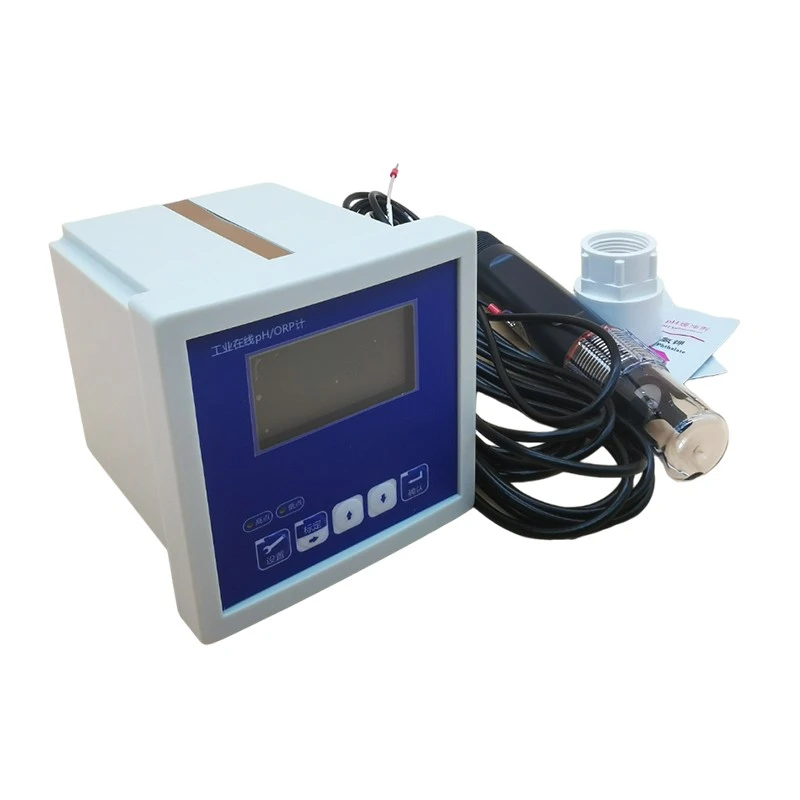
- Industrial Inline Ph Meter: These meters are designed for continuous monitoring of pH in industrial processes. They are typically installed directly in the pipeline or tank and require regular calibration to ensure accurate measurements. Calibration of industrial inline pH meters may require specialized equipment and procedures, so it's important to consult the manufacturer's instructions.
- Acid-base Detector: These meters are used to quickly and easily detect the acidity or alkalinity of a solution. They are often handheld and portable, making them ideal for field applications. Acid-base detectors usually require simple two-point calibration using buffer solutions.
- Online Ph Meter: These meters are connected to a data logging system or a control panel and provide real-time pH measurements. They are commonly used in water treatment plants, laboratories, and other applications where continuous monitoring is required. Online pH meters typically require regular calibration to maintain accuracy.
Contact Us for Your pH Meter Needs
As a leading pH meter supplier, we are committed to providing high-quality products and excellent customer service. Whether you need a pH meter for industrial applications, laboratory research, or environmental monitoring, we have the expertise and experience to help you find the right solution for your needs.

If you have any questions about pH meter calibration, or if you are interested in purchasing a pH meter, please contact us today. Our team of experts will be happy to assist you and provide you with the information you need to make an informed decision.
References
- ASTM International. (2019). Standard Test Method for pH of Water. ASTM D1293-19.
- Hanna Instruments. (2020). pH Meter Calibration Guide.
- Thermo Fisher Scientific. (2021). pH Measurement Handbook.