

How to Measure the pH of a Liquid in a Ceramic Industry with a pH Meter
In the ceramic industry, the pH level of liquids used in various processes is a critical parameter that can significantly impact the quality and performance of ceramic products. Whether it's in the preparation of ceramic slurries, glazes, or in the treatment of wastewater, maintaining the correct pH is essential. As a leading pH meter supplier, we understand the importance of accurate pH measurement and are here to guide you through the process.
Understanding the Importance of pH in the Ceramic Industry
The pH of liquids in the ceramic industry affects several aspects of production. For instance, in the preparation of ceramic slurries, the pH can influence the viscosity and stability of the suspension. A proper pH level ensures that the ceramic particles are well - dispersed, preventing agglomeration and sedimentation. This, in turn, leads to a more uniform and consistent ceramic body during the forming process.
In glazing, the pH of the glaze solution can affect its adhesion to the ceramic surface, as well as its color and texture. An incorrect pH may result in poor glaze quality, such as cracking, peeling, or uneven coloring. Additionally, in wastewater treatment within the ceramic industry, pH control is crucial for the effective removal of heavy metals and other contaminants.
Selecting the Right pH Meter
When it comes to measuring the pH of liquids in the ceramic industry, choosing the appropriate pH meter is the first step. There are several types of pH meters available, each with its own features and applications.
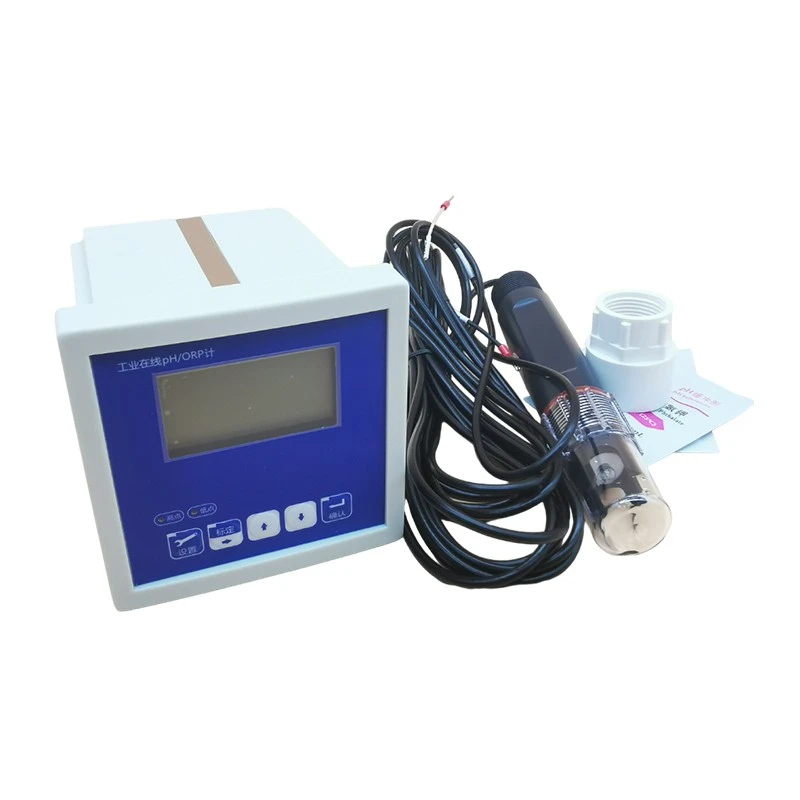
- Industrial Inline Ph Meter: This type of pH meter is designed for continuous monitoring of pH in industrial processes. It can be installed directly into a pipeline or tank, providing real - time pH measurements. The Industrial Inline Ph Meter is ideal for large - scale ceramic production facilities where continuous pH control is required.
- Online Ph Meter: An online pH meter is similar to an inline pH meter but is often used for more complex monitoring systems. It can be connected to a data logger or a control system, allowing for remote monitoring and control of the pH level. The Online Ph Meter is suitable for ceramic plants that need to integrate pH measurement into their overall process control system.
- Acid - base Detector: For simple and portable pH measurements, an acid - base detector is a good choice. It is easy to use and can provide quick pH readings. The Acid - base Detector is useful for on - site testing and for small - scale ceramic operations.
Preparing the pH Meter for Measurement
Before using the pH meter, it is important to prepare it properly to ensure accurate measurements.
- Calibration: Calibration is the most crucial step in preparing a pH meter. It involves adjusting the meter to known pH values using standard buffer solutions. Most pH meters require calibration with at least two buffer solutions, typically pH 4.01 and pH 7.00. Follow the manufacturer's instructions carefully when calibrating the meter.
- Electrode Maintenance: The pH electrode is the most important part of the pH meter. It should be kept clean and properly stored when not in use. Rinse the electrode with distilled water before and after each measurement to remove any contaminants. If the electrode becomes dirty or damaged, it may need to be replaced.
- Temperature Compensation: The pH of a solution can vary with temperature. Most modern pH meters have built - in temperature compensation features. Make sure to set the correct temperature on the meter to obtain accurate pH readings.
Measuring the pH of a Liquid in the Ceramic Industry
Once the pH meter is properly prepared, you can start measuring the pH of the liquid.
- Sampling: Take a representative sample of the liquid. In the ceramic industry, this may involve taking samples from a tank, a pipeline, or a mixing vessel. Make sure the sample is well - mixed to ensure accurate results.
- Measurement: Immerse the pH electrode into the sample. Make sure the electrode is fully submerged and avoid touching the sides or bottom of the container. Wait for the pH reading to stabilize. This may take a few seconds to a minute, depending on the type of pH meter and the nature of the sample.
- Recording and Analysis: Record the pH reading and any relevant information, such as the time, location, and temperature of the sample. Analyze the results to determine if the pH level is within the desired range. If the pH is outside the acceptable range, appropriate adjustments can be made.
Troubleshooting Common pH Measurement Problems
In the process of measuring the pH of liquids in the ceramic industry, you may encounter some common problems.
- Inaccurate Readings: This can be caused by several factors, such as improper calibration, dirty electrodes, or temperature variations. Check the calibration of the meter, clean the electrodes, and ensure that the temperature is correctly set.
- Slow Response Time: A slow response time may indicate a problem with the electrode. Try cleaning the electrode or replacing it if necessary.
- Drifting Readings: Drifting readings can be due to a variety of reasons, including electrical interference, a faulty electrode, or a problem with the meter itself. Check for any sources of electrical interference, and if the problem persists, contact the manufacturer for further assistance.
Conclusion
Accurate pH measurement is essential in the ceramic industry to ensure the quality and performance of ceramic products. By selecting the right pH meter, properly preparing it for measurement, and following the correct measurement procedures, you can obtain reliable pH readings. As a pH meter supplier, we are committed to providing high - quality pH meters and excellent technical support to help you meet your pH measurement needs in the ceramic industry.
If you are interested in purchasing a pH meter for your ceramic production, we invite you to contact us for more information and to discuss your specific requirements. Our team of experts will be happy to assist you in selecting the most suitable pH meter for your application.

References
- ASTM International. (2019). Standard Test Methods for pH of Water. ASTM D1293 - 19.
- Skoog, D. A., West, D. M., Holler, F. J., & Crouch, S. R. (2014). Fundamentals of Analytical Chemistry. Cengage Learning.
- Sawyer, C. N., McCarty, P. L., & Parkin, G. F. (2003). Chemistry for Environmental Engineering and Science. McGraw - Hill.