

Mounting a radar water level gauge on a pole is a crucial process that requires careful planning and execution to ensure accurate and reliable water level measurements. As a reputable radar water level gauge supplier, I have extensive experience in providing high - quality gauges and guiding customers through the installation process. In this blog, I will share a comprehensive guide on how to mount a radar water level gauge on a pole.
1. Pre - installation Preparations
Before you start the actual mounting process, several preparatory steps are necessary.
Selecting the Right Location
The first step is to choose an appropriate location for the pole. The area should provide an unobstructed view of the water surface. Avoid areas with excessive vegetation, floating debris, or structures that could interfere with the radar signal. Additionally, the location should be accessible for maintenance and inspection. Consider the long - term stability of the area, as factors like soil erosion or flooding can affect the pole's stability.
Choosing the Appropriate Pole
The pole you select should be strong enough to support the weight of the radar water level gauge and withstand environmental conditions such as wind, rain, and extreme temperatures. Metal poles, such as galvanized steel poles, are commonly used due to their durability. The height of the pole depends on the maximum water level and the required clearance above the water surface. A general rule of thumb is to install the gauge at a height that allows for a clear line of sight to the water surface even during high - water events.
Gathering Tools and Materials
You will need a variety of tools and materials for the installation. These include a drill, wrenches, bolts, nuts, washers, and a level. Make sure all tools are in good working condition and that you have the correct size and type of bolts and nuts for the specific radar water level gauge and pole you are using.
2. Installing the Pole
Digging the Hole
Use a post - hole digger to dig a hole for the pole. The depth of the hole should be at least one - third of the pole's above - ground height. For example, if you have a 9 - foot pole, the hole should be at least 3 feet deep. The diameter of the hole should be slightly larger than the diameter of the pole to allow for easy insertion.
Setting the Pole
Carefully lower the pole into the hole. Use a level to ensure that the pole is perfectly vertical. Once the pole is in position, backfill the hole with soil or concrete. If using concrete, mix it according to the manufacturer's instructions and pour it into the hole around the pole. Allow the concrete to set for the recommended time before proceeding with the next steps.
3. Mounting the Radar Water Level Gauge
Attaching the Mounting Bracket
Most radar water level gauges come with a mounting bracket. Use bolts and nuts to attach the mounting bracket to the pole at the desired height. Make sure the bracket is securely fastened and level. The height of the gauge should be adjusted based on the expected range of water levels. For example, if the water level can vary from 0 to 5 meters, the gauge should be installed at a height that allows it to accurately measure within this range.
Connecting the Gauge to the Bracket
Once the mounting bracket is in place, carefully attach the radar water level gauge to the bracket. Follow the manufacturer's instructions for proper alignment and connection. Ensure that all electrical connections are secure and that the gauge is properly grounded to prevent electrical interference.
4. Calibration and Testing
Powering On the Gauge
After the gauge is mounted, connect it to a power source. Most radar water level gauges can be powered by a battery or an external power supply. Make sure the power supply is stable and within the specified voltage range of the gauge.
Calibrating the Gauge
Calibration is a critical step to ensure accurate water level measurements. Follow the calibration procedure provided in the gauge's user manual. This usually involves setting the zero point (the level of the water surface when it is at its lowest) and the full - scale value (the maximum expected water level). Use a reference water level, such as a known benchmark or a staff gauge, to verify the accuracy of the calibration.
Testing the Gauge
Once the gauge is calibrated, conduct a series of tests to ensure its proper functioning. Check the water level readings on the gauge and compare them with the actual water level using a manual measurement method. Make any necessary adjustments to the calibration if there are discrepancies.
5. Maintenance and Monitoring
Regular Inspections
Regularly inspect the pole, mounting bracket, and gauge for signs of damage or wear. Check for loose bolts, corrosion, or any other issues that could affect the performance of the gauge. Inspect the electrical connections to ensure they are secure and free from moisture.

Cleaning the Gauge
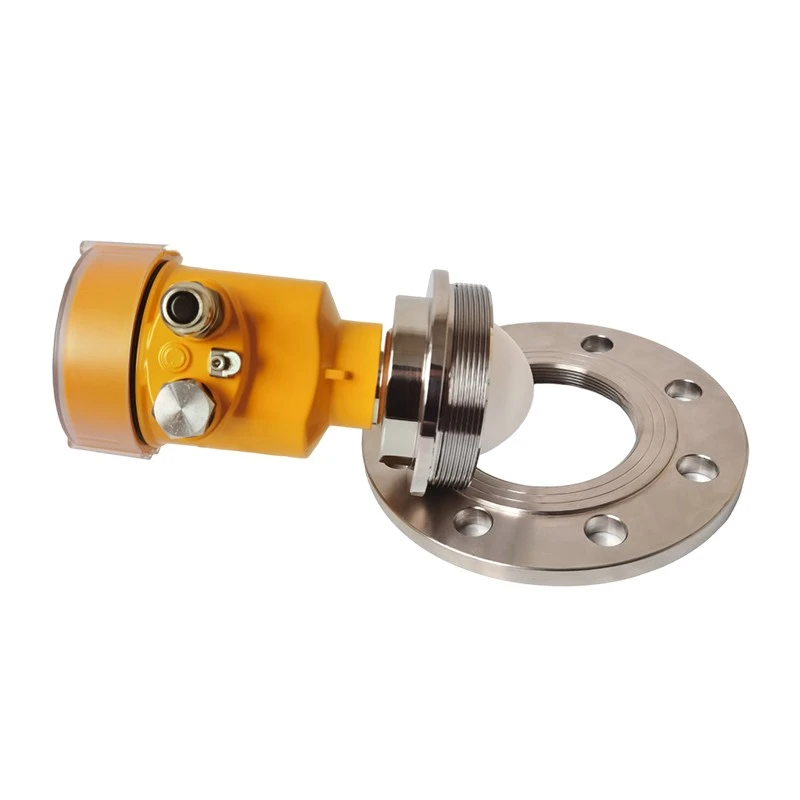
Keep the radar water level gauge clean to prevent dirt, dust, or debris from interfering with the radar signal. Use a soft, dry cloth to clean the exterior of the gauge. Avoid using abrasive materials that could scratch the surface.
Software Updates
If the gauge has software capabilities, check for software updates regularly. Manufacturers often release updates to improve the performance and functionality of the gauge. Follow the instructions provided by the manufacturer to install the updates safely.
Different Types of Radar Water Level Gauges
As a radar water level gauge supplier, we offer a variety of products to meet different customer needs. For example, our Two - wire Radar Water Level Gauge is known for its simple installation and low power consumption. It is suitable for applications where power supply is limited. Our Explosion - proof Radar Level Meter and Explosion - proof Radar Water Level Gauge are designed for use in hazardous environments where there is a risk of explosion.
Conclusion
Mounting a radar water level gauge on a pole requires careful planning, proper installation techniques, and regular maintenance. By following the steps outlined in this blog, you can ensure that your radar water level gauge is installed correctly and provides accurate and reliable water level measurements. If you are interested in purchasing a radar water level gauge or need further assistance with installation and calibration, please feel free to contact us for procurement and negotiation.
References
- Manufacturer's manuals of radar water level gauges
- Industry standards for water level measurement and installation