

A pH meter is a crucial tool in various industries, including water treatment, food and beverage production, and scientific research. As a pH meter supplier, we understand the importance of ensuring that your pH meter is functioning correctly. In this blog post, we will guide you through the process of troubleshooting a pH meter, helping you identify and resolve common issues to maintain accurate and reliable measurements.
Understanding the Basics of a pH Meter
Before diving into troubleshooting, it's essential to understand how a pH meter works. A typical pH meter consists of a pH electrode, a reference electrode, and a meter that measures the potential difference between the two electrodes. The pH electrode is sensitive to hydrogen ions in the solution, while the reference electrode provides a stable reference potential. The meter then converts the potential difference into a pH value.
Common Issues and Troubleshooting Steps
1. Inaccurate Readings
-
Cause: Incorrect Calibration
Calibration is the most critical step in ensuring accurate pH measurements. Over time, the electrodes can drift, leading to inaccurate readings. If your pH meter is not calibrated correctly, it will provide incorrect pH values. -
Solution: Recalibrate the pH Meter
To recalibrate your pH meter, you will need at least two buffer solutions with known pH values. Typically, pH 4.01, 7.00, and 10.01 buffer solutions are used. Follow these steps:- Rinse the electrodes with distilled water and gently blot them dry with a lint - free cloth.
- Immerse the electrodes in the first buffer solution (usually pH 7.00) and wait for the reading to stabilize. Adjust the meter to display the correct pH value of the buffer solution.
- Rinse the electrodes again and repeat the process with the second buffer solution (e.g., pH 4.01 or 10.01).
- Some advanced pH meters may require a third - point calibration for even greater accuracy.
-
Cause: Contaminated Electrodes
Contamination of the electrodes can also lead to inaccurate readings. Contaminants such as dirt, grease, or chemicals can interfere with the electrode's ability to measure the hydrogen ion concentration accurately. -
Solution: Clean the Electrodes

- For general contamination, soak the electrodes in a mild detergent solution for about 15 - 20 minutes. Then, rinse them thoroughly with distilled water.
- If the electrodes are contaminated with stubborn substances like proteins or heavy metals, you may need to use a specialized cleaning solution. Consult the manufacturer's instructions for the appropriate cleaning solution and procedure.
- After cleaning, recalibrate the pH meter to ensure accurate readings.
2. No Display or Erratic Display
-
Cause: Power Issues
A lack of power or a loose power connection can cause the pH meter to have no display or an erratic display. -
Solution: Check the Power Source
- If your pH meter is battery - powered, check the batteries to ensure they are installed correctly and have sufficient charge. Replace the batteries if necessary.
- If it is a mains - powered pH meter, check the power cord to make sure it is properly plugged in. Try plugging the meter into a different outlet to rule out a problem with the electrical supply.
-
Cause: Faulty Display or Circuitry
In some cases, the display or the internal circuitry of the pH meter may be damaged. -
Solution: Contact the Manufacturer or a Professional Technician
If you have checked the power source and the problem persists, it is likely a hardware issue. Contact the manufacturer's customer support or a professional technician for further diagnosis and repair.
3. Slow Response Time
- Cause: Dry or Aged Electrodes
The electrodes of a pH meter can dry out over time, especially if they are not stored properly. Aged electrodes may also have a slower response time. - Solution: Rehydrate or Replace the Electrodes
- To rehydrate the electrodes, soak them in a storage solution recommended by the manufacturer for several hours or overnight. This will help restore the moisture in the electrodes and improve their response time.
- If the electrodes are old and have been used extensively, it may be time to replace them. New electrodes will provide faster and more accurate readings.
4. Leaking Electrodes
- Cause: Damaged Electrode Body
The electrode body can be damaged due to physical impact or improper handling, leading to leaks. - Solution: Replace the Electrodes
If you notice a leak from the electrodes, it is essential to replace them immediately. A leaking electrode can contaminate the sample and provide inaccurate readings. Contact us to purchase a new set of electrodes.
Preventive Maintenance Tips
To minimize the need for troubleshooting, it is important to perform regular preventive maintenance on your pH meter:
- Proper Storage: Store the electrodes in a storage solution recommended by the manufacturer when not in use. This will keep the electrodes hydrated and prevent them from drying out.
- Regular Calibration: Calibrate your pH meter at least once a week or more frequently if you are using it intensively.
- Cleaning: Clean the electrodes after each use to prevent contamination.
Choosing the Right pH Meter for Your Application
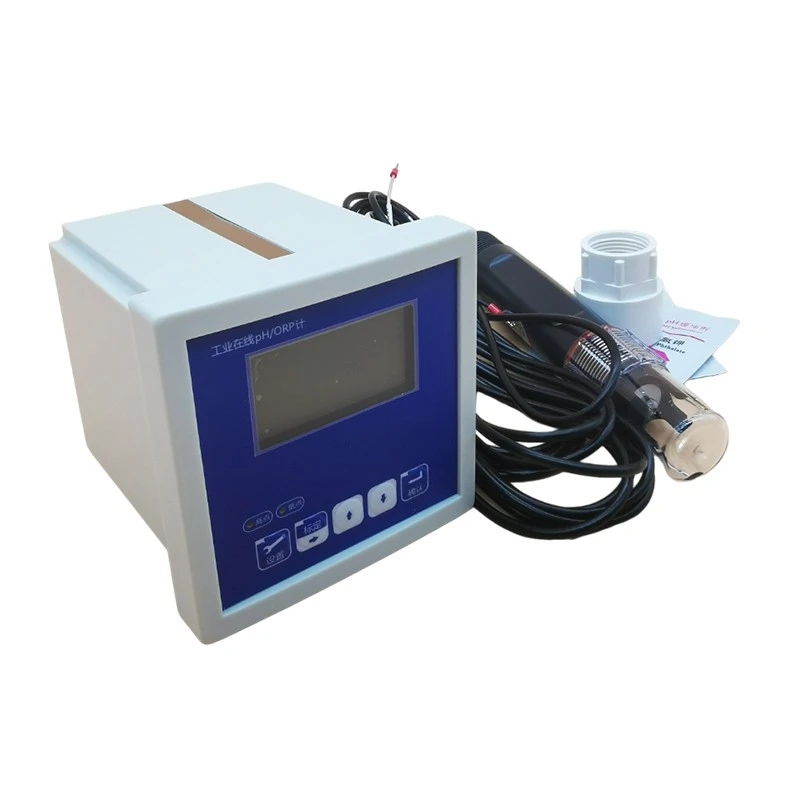
As a pH meter supplier, we offer a wide range of pH meters to meet different application needs. Whether you need an Acid - base Detector for simple laboratory use, an Industrial Inline Ph Meter for continuous monitoring in industrial processes, or an Online Ph Meter for real - time data collection, we have the right solution for you.
Contact Us for Purchasing and Technical Support
If you are experiencing any issues with your pH meter or are looking to purchase a new one, our team of experts is here to help. We can provide you with detailed product information, technical support, and assistance with installation and calibration. Contact us today to start a discussion about your pH measurement needs and explore the best solutions for your business.
References
- "pH Measurement Handbook" by Thermo Fisher Scientific
- "Principles of pH Measurement" by Metrohm AG