

Hey there! As a supplier of open channel flow meters, I've seen firsthand how crucial it is to make the most of the data these devices collect. In this blog, I'll share some tips on how to use software to analyze open channel flow meter data effectively.
Why Analyze Open Channel Flow Meter Data?
Before we dive into the software part, let's quickly chat about why analyzing this data is so important. Open channel flow meters are used in a wide range of applications, from wastewater treatment plants to irrigation systems. The data they collect helps us understand how much water is flowing through a channel, which is essential for managing resources, ensuring system efficiency, and complying with regulations.
For example, in a wastewater treatment plant, accurate flow data can help operators optimize the treatment process, saving energy and reducing costs. In an irrigation system, it can ensure that crops receive the right amount of water, improving yields and conserving water.
Choosing the Right Software
The first step in analyzing open channel flow meter data is to choose the right software. There are many options available, each with its own features and capabilities. Here are some things to consider when making your choice:
- Compatibility: Make sure the software is compatible with your open channel flow meter. Some meters come with their own software, while others can be integrated with third - party applications.
- Functionality: Look for software that offers the features you need. This might include data visualization, data logging, trend analysis, and alarm settings.
- Ease of use: You don't want to spend hours learning how to use the software. Choose something that is intuitive and user - friendly.
Connecting the Flow Meter to the Software
Once you've chosen the software, the next step is to connect your open channel flow meter to it. This process can vary depending on the type of meter and the software you're using.
Most modern flow meters can be connected via a serial port, Ethernet, or Wi - Fi. Some meters also support wireless communication protocols like Bluetooth. Follow the manufacturer's instructions carefully to ensure a proper connection.
For example, if you're using a 4 - 20mA Open Channel Flowmeter, you'll need to connect the meter to a data logger or a computer with the appropriate software. The data logger will then transmit the data to the software for analysis.
Data Visualization
One of the most powerful features of flow meter analysis software is data visualization. Visualizing the data can help you quickly identify trends, patterns, and anomalies.
Most software packages offer a variety of visualization options, such as line graphs, bar charts, and pie charts. You can use these visualizations to display data over time, compare different data sets, or show the relationship between different variables.
For instance, you might create a line graph to show the flow rate over a 24 - hour period. This can help you identify peak flow times and periods of low flow. You could also create a bar chart to compare the flow rates at different points in the channel.
Data Logging and Storage
Data logging is another important feature of flow meter analysis software. It allows you to record the flow meter data over a period of time for later analysis.
The software should be able to store the data in a secure and organized manner. You can choose to store the data locally on your computer or in the cloud. Cloud storage offers the advantage of easy access from anywhere with an internet connection.
For example, if you're running a large - scale irrigation system, you might want to store the flow data for several months or even years. This historical data can be used to make informed decisions about future water management.
Trend Analysis
Trend analysis is a powerful tool for understanding the long - term behavior of your open channel flow. By analyzing trends in the data, you can predict future flow rates, identify potential problems, and make adjustments to your system as needed.
The software can help you perform trend analysis by calculating moving averages, regression lines, and other statistical measures. You can then use these trends to forecast future flow rates and plan accordingly.
For example, if you notice a downward trend in the flow rate over several weeks, it could indicate a problem with the channel, such as a blockage or a leak. By identifying this trend early, you can take corrective action before the problem becomes more serious.
Alarm Settings
Alarm settings are a great way to stay informed about the status of your open channel flow. You can set up the software to send you an alert when certain conditions are met, such as when the flow rate exceeds a certain threshold or when there is a sudden drop in flow.
Alarms can be sent via email, text message, or push notification. This allows you to respond quickly to any issues and minimize the impact on your system.
For example, if you're operating a wastewater treatment plant, you might set an alarm to notify you if the flow rate exceeds the plant's capacity. This can help you prevent overflow and ensure compliance with environmental regulations.
Using Different Types of Open Channel Flow Meters
There are several types of open channel flow meters available, each with its own advantages and disadvantages. Let's take a look at how software can be used to analyze data from different types of meters.
Weir Channel Flowmeter
Weir channel flow meters use a weir (a barrier in the channel) to measure the flow rate. The software can analyze the data from these meters to calculate the flow based on the height of the water above the weir.
The software can also be used to account for factors such as the shape of the weir and the velocity of the water. By analyzing the data over time, you can ensure that the weir is functioning properly and that the flow measurements are accurate.
Open Channel (babbitt) Flowmeter
Open channel (babbitt) flow meters use ultrasonic technology to measure the flow rate. The software can analyze the data from these meters to calculate the flow based on the time it takes for the ultrasonic waves to travel through the water.
The software can also be used to correct for factors such as temperature and the presence of air bubbles in the water. By analyzing the data from multiple sensors, you can get a more accurate picture of the flow in the channel.
Conclusion
Using software to analyze open channel flow meter data is a powerful way to manage your water resources, improve system efficiency, and ensure compliance with regulations. By choosing the right software, connecting your flow meter, and taking advantage of features like data visualization, trend analysis, and alarm settings, you can make the most of the data your flow meter collects.
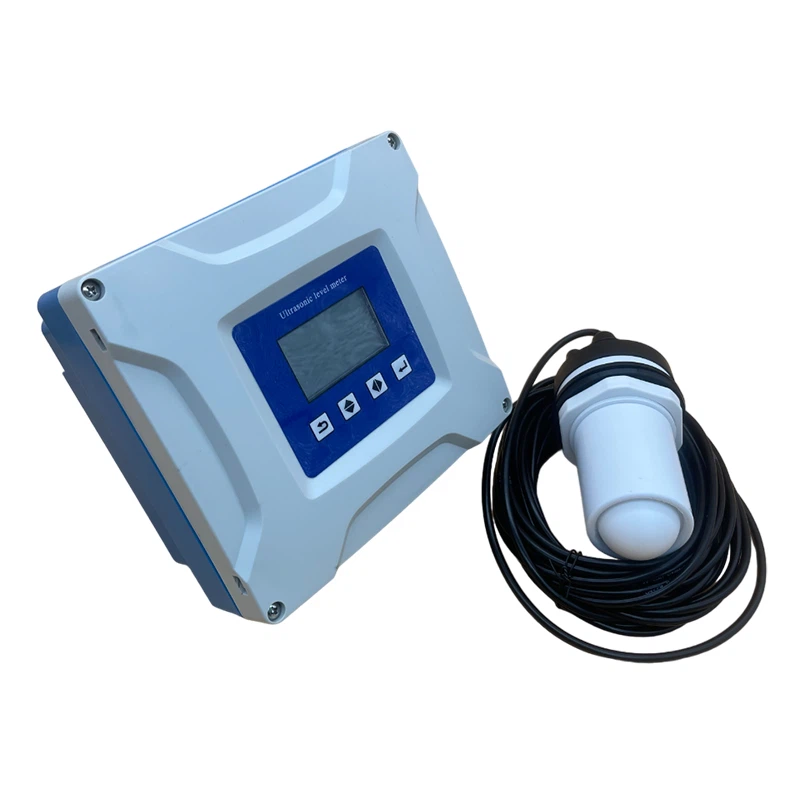

If you're interested in learning more about our open channel flow meters or need help with data analysis, don't hesitate to reach out. We're here to assist you in finding the best solutions for your specific needs. Whether you're a small - scale farmer or a large - scale industrial operator, we have the expertise and products to meet your requirements. Let's start a conversation about how we can work together to optimize your open channel flow management.
References
- "Open Channel Flow Measurement Handbook" by the American Society of Civil Engineers
- "Flow Measurement and Instrumentation" journal articles