

As a supplier of radar water level gauges, I've encountered numerous inquiries from customers regarding the impact of water surface waves on the performance of these devices. This topic is of great significance as accurate water level measurement is crucial in various applications, such as flood monitoring, reservoir management, and industrial water treatment. In this blog, I will delve into the relationship between radar water level gauges and water surface waves, exploring how waves can affect the measurement and the solutions we offer to ensure reliable and precise data.
How Radar Water Level Gauges Work
Before discussing the influence of water surface waves, it's essential to understand the operating principle of radar water level gauges. These devices utilize radar technology to measure the distance between the gauge and the water surface. A radar sensor emits electromagnetic waves towards the water surface, and these waves bounce back upon hitting the surface. The gauge then calculates the time it takes for the waves to return, and based on the speed of light, it determines the distance to the water surface. This distance is then converted into a water level reading.
The Impact of Water Surface Waves
Water surface waves can pose challenges to the accurate measurement of radar water level gauges. When waves are present, the water surface is no longer flat, which can cause several issues:
- Multiple Reflections: Waves create an uneven surface, leading to multiple reflections of the radar waves. Instead of a single clear reflection from a flat surface, the gauge may receive reflections from different points on the wave, resulting in a scattered signal. This can make it difficult for the gauge to accurately determine the true water level.
- Doppler Effect: Moving waves can introduce the Doppler effect, which causes a shift in the frequency of the reflected radar waves. This frequency shift can interfere with the gauge's ability to accurately measure the distance to the water surface, leading to measurement errors.
- Wave Crest and Trough: The presence of wave crests and troughs means that the gauge may measure different distances depending on whether it is detecting a crest or a trough. This can result in fluctuations in the measured water level, making it challenging to obtain a stable and accurate reading.
Our Solutions to Mitigate the Impact of Waves
At our company, we have developed several solutions to address the challenges posed by water surface waves and ensure the accurate measurement of radar water level gauges:
- Advanced Signal Processing: Our gauges are equipped with advanced signal processing algorithms that can filter out the noise caused by multiple reflections and the Doppler effect. These algorithms analyze the received signals and identify the true reflection from the water surface, even in the presence of waves.
- High-Frequency Radar: We use high-frequency radar technology in our gauges, which provides a more focused and precise signal. High-frequency radar waves are less affected by the uneven surface of waves, allowing for more accurate measurements.
- Installation Considerations: Proper installation of the radar water level gauge is crucial to minimize the impact of waves. We recommend installing the gauge in a location where the water surface is relatively calm, such as in a stilling well or a protected area. This can help reduce the influence of waves on the measurement.
Product Recommendations
We offer a range of radar water level gauges that are designed to perform well in various conditions, including areas with water surface waves:
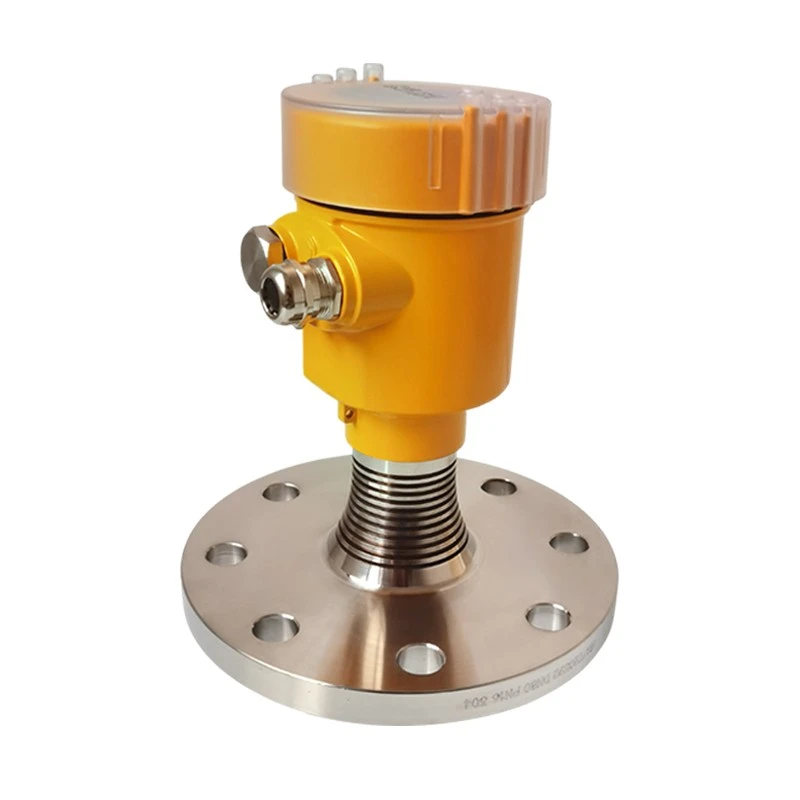

- Two-wire Radar Water Level Gauge: This gauge is a cost-effective solution that provides accurate water level measurements. It is suitable for applications where power consumption is a concern and can be easily integrated into existing systems.
- Four-wire Radar Water Level Gauge: The four-wire gauge offers enhanced performance and reliability. It is ideal for applications that require high accuracy and stability, even in challenging environments with waves.
- Explosion-proof Radar Level Meter: This specialized gauge is designed for use in hazardous environments where there is a risk of explosion. It provides accurate water level measurements while ensuring the safety of the surrounding area.
Conclusion
In conclusion, water surface waves can have a significant impact on the performance of radar water level gauges. However, with our advanced technology and solutions, we are able to mitigate these effects and provide accurate and reliable water level measurements. Whether you are monitoring a small pond or a large reservoir, our range of radar water level gauges can meet your needs.
If you are interested in learning more about our radar water level gauges or have any questions regarding their performance in the presence of water surface waves, please feel free to contact us. Our team of experts is ready to assist you in selecting the right product for your application and ensuring a successful installation.