

Hey there! As a supplier of pressure transmitters, I've had my fair share of experiences with these nifty devices. One of the most crucial aspects of ensuring the accuracy and reliability of pressure transmitters is calibration. In this blog, I'll walk you through the different calibration methods for pressure transmitters, so you can keep your operations running smoothly.
Why Calibration Matters
Before we dive into the calibration methods, let's quickly touch on why calibration is so important. Pressure transmitters are used in a wide range of industries, from oil and gas to manufacturing and pharmaceuticals. These devices are responsible for measuring and transmitting pressure data, which is then used to control processes, ensure safety, and make informed decisions.
If a pressure transmitter is not calibrated correctly, it can provide inaccurate readings, which can lead to a host of problems. For example, in a manufacturing process, inaccurate pressure readings could result in product defects or even equipment failure. In a safety-critical application, such as a chemical plant, incorrect pressure measurements could pose a serious risk to workers and the environment.
So, by calibrating your pressure transmitters regularly, you can ensure that they are providing accurate and reliable data, which in turn helps you maintain the quality of your products, improve efficiency, and enhance safety.
Types of Calibration
There are several calibration methods for pressure transmitters, each with its own advantages and disadvantages. The most common methods include:
1. Deadweight Tester Calibration
Deadweight testers are considered the gold standard for pressure calibration. They work by applying a known force to a piston of a known area, which creates a precise pressure. This pressure is then compared to the reading of the pressure transmitter being calibrated.
The process of deadweight tester calibration involves the following steps:
- Set up the deadweight tester: First, you need to set up the deadweight tester according to the manufacturer's instructions. This typically involves installing the appropriate weights and ensuring that the piston is clean and free of debris.
- Connect the pressure transmitter: Next, you need to connect the pressure transmitter to the deadweight tester using a suitable adapter. Make sure that the connection is tight and leak-free.
- Apply the pressure: Once the pressure transmitter is connected, you can start applying the pressure by adding weights to the piston. Start with the lowest weight and gradually increase the pressure in small increments.
- Record the readings: As you apply the pressure, record the readings of the pressure transmitter and the deadweight tester. Make sure to take multiple readings at each pressure point to ensure accuracy.
- Calculate the error: After you have recorded the readings, you can calculate the error between the pressure transmitter reading and the known pressure from the deadweight tester. If the error is within the acceptable range, the pressure transmitter is considered calibrated. If not, you may need to adjust the transmitter or repeat the calibration process.
The main advantage of deadweight tester calibration is its high accuracy. Deadweight testers can provide pressure measurements with an accuracy of up to 0.01%, making them ideal for calibrating high-precision pressure transmitters. However, deadweight testers are also relatively expensive and bulky, which makes them less suitable for field calibration.

2. Pressure Comparator Calibration
Pressure comparators are another popular method for pressure calibration. They work by comparing the pressure of the pressure transmitter being calibrated to the pressure of a reference pressure source, such as a pressure gauge or a pressure transducer.
The process of pressure comparator calibration involves the following steps:
- Set up the pressure comparator: First, you need to set up the pressure comparator according to the manufacturer's instructions. This typically involves connecting the pressure transmitter and the reference pressure source to the comparator using suitable adapters.
- Apply the pressure: Once the pressure comparator is set up, you can start applying the pressure to the system. You can use a hand pump or a pressure regulator to apply the pressure.
- Record the readings: As you apply the pressure, record the readings of the pressure transmitter and the reference pressure source. Make sure to take multiple readings at each pressure point to ensure accuracy.
- Calculate the error: After you have recorded the readings, you can calculate the error between the pressure transmitter reading and the reference pressure source reading. If the error is within the acceptable range, the pressure transmitter is considered calibrated. If not, you may need to adjust the transmitter or repeat the calibration process.
The main advantage of pressure comparator calibration is its simplicity and portability. Pressure comparators are relatively inexpensive and easy to use, making them suitable for both laboratory and field calibration. However, pressure comparators are generally less accurate than deadweight testers, with an accuracy of up to 0.1%.
3. Electronic Calibrator Calibration
Electronic calibrators are a modern alternative to traditional calibration methods. They work by generating a precise pressure signal using an electronic pressure sensor and a microprocessor. This pressure signal is then compared to the reading of the pressure transmitter being calibrated.
The process of electronic calibrator calibration involves the following steps:
- Set up the electronic calibrator: First, you need to set up the electronic calibrator according to the manufacturer's instructions. This typically involves connecting the pressure transmitter to the calibrator using a suitable adapter.
- Select the calibration mode: Once the electronic calibrator is set up, you need to select the calibration mode. Most electronic calibrators offer several calibration modes, such as single-point calibration, multi-point calibration, and linearity calibration.
- Apply the pressure: After you have selected the calibration mode, you can start applying the pressure to the system. You can use a hand pump or a pressure regulator to apply the pressure.
- Record the readings: As you apply the pressure, record the readings of the pressure transmitter and the electronic calibrator. Make sure to take multiple readings at each pressure point to ensure accuracy.
- Calculate the error: After you have recorded the readings, the electronic calibrator will automatically calculate the error between the pressure transmitter reading and the generated pressure signal. If the error is within the acceptable range, the pressure transmitter is considered calibrated. If not, you may need to adjust the transmitter or repeat the calibration process.
The main advantage of electronic calibrator calibration is its convenience and flexibility. Electronic calibrators are small, lightweight, and easy to use, making them ideal for field calibration. They also offer a wide range of calibration modes and features, such as data logging and automatic error calculation, which can save you time and effort. However, electronic calibrators are generally less accurate than deadweight testers, with an accuracy of up to 0.05%.
Factors to Consider When Choosing a Calibration Method
When choosing a calibration method for your pressure transmitters, there are several factors that you need to consider, including:
- Accuracy requirements: The accuracy requirements of your application will determine the type of calibration method that you need to use. If you need high-precision measurements, such as in a laboratory or a calibration facility, you may need to use a deadweight tester or an electronic calibrator with a high accuracy rating. If you need less precise measurements, such as in a field application, a pressure comparator may be sufficient.
- Portability: If you need to calibrate your pressure transmitters in the field, you will need a calibration method that is portable and easy to use. Pressure comparators and electronic calibrators are generally more portable than deadweight testers, making them a better choice for field calibration.
- Cost: The cost of the calibration method is also an important factor to consider. Deadweight testers are the most expensive calibration method, followed by electronic calibrators and pressure comparators. You need to balance the cost of the calibration method with the accuracy requirements of your application.
- Ease of use: The ease of use of the calibration method is another important factor to consider. Some calibration methods, such as deadweight tester calibration, require a high level of skill and expertise to perform. Other methods, such as pressure comparator calibration and electronic calibrator calibration, are relatively easy to use and can be performed by non-technical personnel.
Our Pressure Transmitter Products
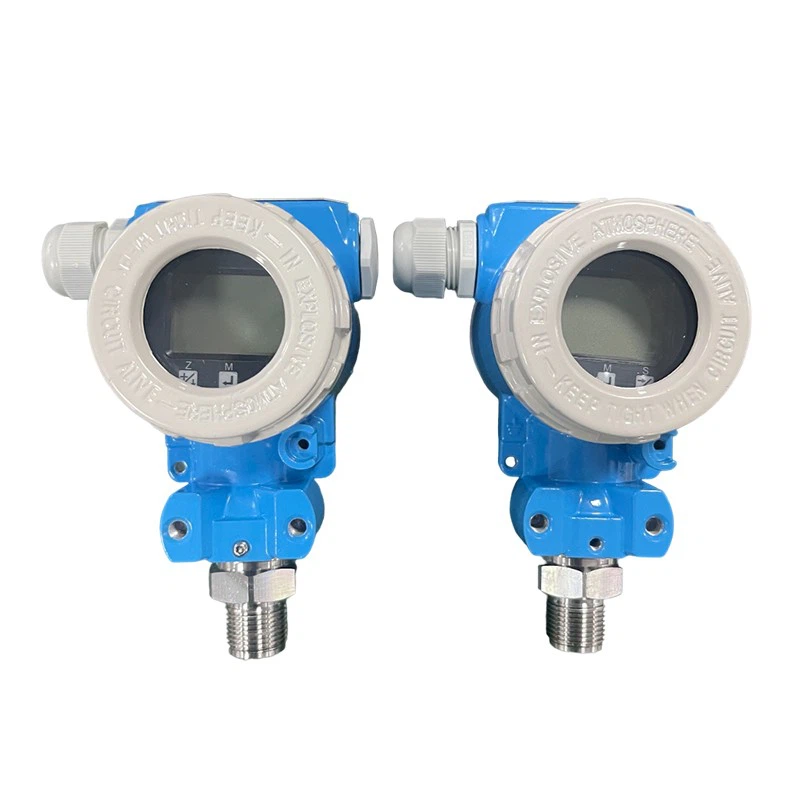
At our company, we offer a wide range of pressure transmitters to meet the needs of different applications. Our products include Compact Pressure Transmitter, Pressure Transmitter with Display, and Submersible Pressure Sensor.
Our pressure transmitters are designed to provide accurate and reliable pressure measurements in a variety of environments. They are built to withstand harsh conditions and are easy to install and maintain. We also offer calibration services for our pressure transmitters to ensure that they are providing accurate and reliable data.
Contact Us for Procurement
If you are interested in purchasing our pressure transmitters or need calibration services, please don't hesitate to contact us. We have a team of experienced sales representatives who can help you choose the right product for your application and provide you with a competitive quote.
We believe that our high-quality pressure transmitters and professional calibration services can help you improve the efficiency and reliability of your operations. So, why wait? Contact us today and let's start working together!
References
- "Pressure Transmitter Calibration: A Comprehensive Guide." Calibration Zone, 2023.
- "How to Calibrate a Pressure Transmitter." InstrumentationTools, 2023.
- "Pressure Calibration Methods and Equipment." Fluke Corporation, 2023.