

The response time of a dissolved oxygen meter is a crucial parameter that reflects how quickly the instrument can measure and display the dissolved oxygen (DO) concentration accurately in a sample. As a leading dissolved oxygen meter supplier, we understand the significance of this characteristic for various applications, from environmental monitoring to industrial process control.
Definition and Importance of Response Time
Response time is defined as the time it takes for the dissolved oxygen meter to reach a certain percentage (usually 90% or 95%) of the final stable reading after a sudden change in the dissolved oxygen concentration of the sample. A fast - responding dissolved oxygen meter enables real - time analysis, which is particularly important in dynamic systems where the DO levels can change rapidly.
For example, in aquaculture, the oxygen levels in the water can vary according to fish density, water temperature, and feeding patterns. A dissolved oxygen meter with a quick response time can help fish farmers to monitor the oxygen conditions instantly and take timely measures to prevent oxygen deficiency, ensuring the health and survival of the fish.
In wastewater treatment plants, the oxidation process requires precise control of dissolved oxygen levels. A fast - responding meter allows operators to adjust the aeration system promptly, optimizing the treatment efficiency and reducing energy consumption.
Factors Affecting the Response Time of Dissolved Oxygen Meters
Sensor Technology
- Membrane - type sensors: Membrane Dissolved Oxygen Meter use a permeable membrane to separate the sensing electrode from the sample. The response time of these sensors is mainly determined by the diffusion rate of oxygen through the membrane. Generally, a thinner membrane can reduce the diffusion distance of oxygen molecules, resulting in a faster response. However, thinner membranes are also more fragile and may need more frequent replacement. The response time of membrane - type sensors can range from several seconds to a few minutes.
- Fluorescence - based sensors: Fluorescence Dissolved Oxygen Meter operate on the principle that the fluorescence of a special dye is quenched by oxygen. These sensors typically have a much faster response time compared to membrane - type sensors. They can reach the 90% response time within a few seconds because the interaction between oxygen and the fluorescent dye is a relatively rapid process. Moreover, fluorescence - based sensors are less affected by flow rate and do not require frequent calibration, making them suitable for applications where real - time and continuous monitoring are needed.
Sample Characteristics
- Temperature: The solubility of oxygen in water decreases with increasing temperature. Additionally, the diffusion coefficient of oxygen and the reaction kinetics in the sensor are temperature - dependent. Generally, a higher temperature can accelerate the diffusion of oxygen and the chemical reactions in the sensor, leading to a faster response time. However, extreme temperatures may also affect the stability and accuracy of the sensor.
- Flow rate: For membrane - type sensors, an adequate flow rate of the sample is necessary to ensure the continuous supply of oxygen to the sensor surface. A low flow rate can cause a depletion of oxygen near the sensor, leading to a slower response time. In contrast, fluorescence - based sensors are less sensitive to the flow rate of the sample.
- Chemical composition: The presence of certain chemicals in the sample, such as sulfides, heavy metals, and organic compounds, can interfere with the measurement of dissolved oxygen and affect the response time. For example, sulfides can react with oxygen and cause a decrease in the measured DO concentration. Some chemicals may also foul the sensor surface, reducing the sensor's sensitivity and increasing the response time.
Measuring the Response Time of Dissolved Oxygen Meters
To measure the response time of a dissolved oxygen meter, a step - change in the dissolved oxygen concentration of the sample is usually created. This can be achieved by using a gas - sparging system to change the oxygen partial pressure in the sample. The meter is then immersed in the sample, and the time it takes to reach a specified percentage (e.g., 90% or 95%) of the final stable reading is recorded.
It is important to note that the measurement of response time should be carried out under controlled conditions, including temperature, flow rate, and sample composition, to ensure the accuracy and reproducibility of the results.
Response Time in Different Applications
Environmental Monitoring
In environmental monitoring, such as in rivers, lakes, and oceans, the DO levels can change due to natural processes like photosynthesis, respiration of aquatic organisms, and water mixing. A dissolved oxygen meter with a fast response time can capture these changes in real - time, providing valuable data for understanding the ecological health of the water body. For instance, in a eutrophic lake, the DO levels may drop rapidly during the night due to the respiration of algae and other organisms. A fast - responding meter can detect this change early, helping to prevent fish kills and other ecological disasters.
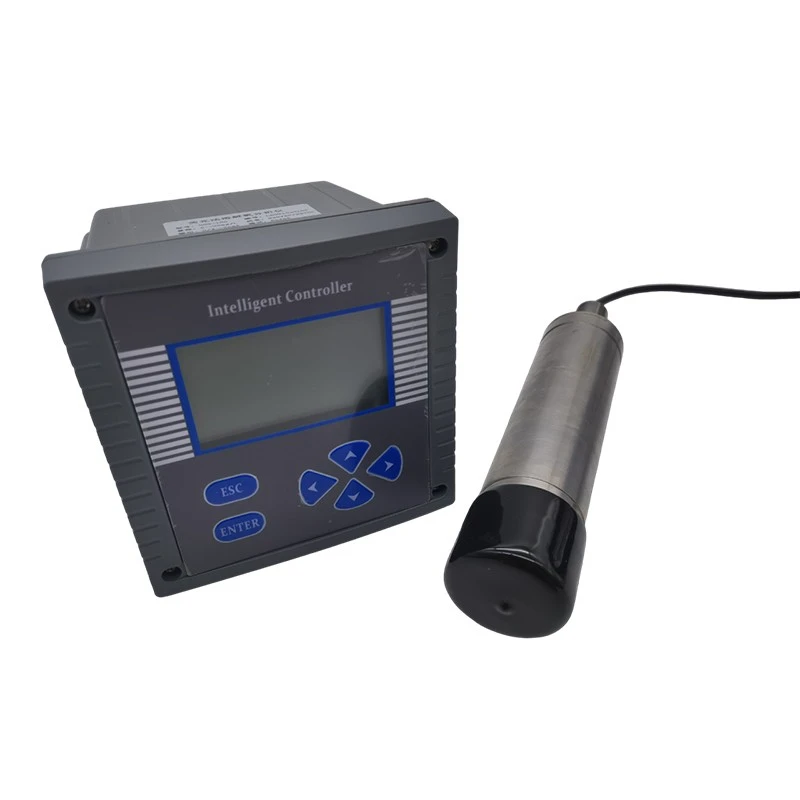

Industrial Applications
- Food and beverage industry: In the production of beer, wine, and soft drinks, the control of dissolved oxygen is crucial to maintain the quality and flavor of the products. Oxygen can cause oxidation of the ingredients, leading to off - flavors and reduced shelf - life. A dissolved oxygen meter with a quick response time can be used to monitor the DO levels during the production process, ensuring that the oxygen content is within the acceptable range.
- Chemical industry: In chemical processes, such as oxidation and reduction reactions, the dissolved oxygen levels need to be carefully controlled. A fast - responding meter allows for precise control of the reaction conditions, improving the yield and quality of the products.
Our Product Offerings with Respect to Response Time
As a dissolved oxygen meter supplier, we offer a wide range of products, including Portable Dissolved Oxygen Meter, fluorescence - based meters, and membrane - type meters, each with different response times to meet the diverse needs of our customers.
Our portable dissolved oxygen meters are designed for easy - to - carry field measurements. They feature fast response times, allowing users to obtain accurate results quickly in different environments. The fluorescence - based meters in our product line are ideal for applications that require real - time and continuous monitoring, thanks to their extremely fast response times and minimal maintenance requirements. Our membrane - type meters, on the other hand, are reliable and cost - effective solutions for applications where a moderate response time is acceptable.
Contact Us for Procurement
If you are in need of high - quality dissolved oxygen meters with excellent response times for your specific application, we are here to assist you. Our team of experts can help you select the most suitable product based on your requirements. Whether you are involved in environmental monitoring, industrial process control, or any other field that requires accurate dissolved oxygen measurement, we have the right solution for you. Contact us today to start a procurement discussion and take advantage of our top - notch products and services.
References
- APHA, AWWA, WEF. Standard Methods for the Examination of Water and Wastewater. American Public Health Association, 20th ed., 1998.
- Atlas, R. M., & Bartha, R. Microbial Ecology: Fundamentals and Applications. Benjamin/Cummings, 4th ed., 1998.
- Stumm, W., & Morgan, J. J. Aquatic Chemistry: Chemical Equilibria and Rates in Natural Waters. Wiley - Interscience, 3rd ed., 1996.