

Hey there! As a supplier of pH meters, I've had a ton of customers in the wood - processing industry reaching out to ask about how to measure the pH of liquids in their operations. So, in this blog post, I'm gonna walk you through the whole process step by step.
First off, why even measure the pH of liquids in a wood - processing industry? Well, it turns out that pH levels play a super important role. Wood contains various substances like tannins and organic acids. During the processing, these can dissolve in water - based solutions, and the pH of these solutions can have a huge impact on the final product.
For example, if the pH is too acidic, it might cause issues like corrosion of equipment or affect the bonding properties of adhesives used in wood veneers. On the other hand, if it's too alkaline, it could alter the color and strength of the wood over time. So, accurately measuring the pH is crucial to maintain consistent product quality and keep the machinery in good shape.
What is a pH Meter?
Before we jump into the measurement process, let me give you a quick rundown on pH meters. A pH meter is a scientific instrument used to measure the acidity or alkalinity of a solution. It works based on the principle of measuring the electrical potential difference between a special glass electrode and a reference electrode submerged in the solution. The reading on the meter then tells you the pH value, with values below 7 indicating acidity, 7 being neutral, and above 7 showing alkalinity.
We offer different types of pH meters that could fit the needs of the wood - processing industry. The Acid - base Detector is a great choice for basic, on - the - spot pH checks. It's portable and easy to use, perfect if you need to take quick measurements at different points in the processing line.
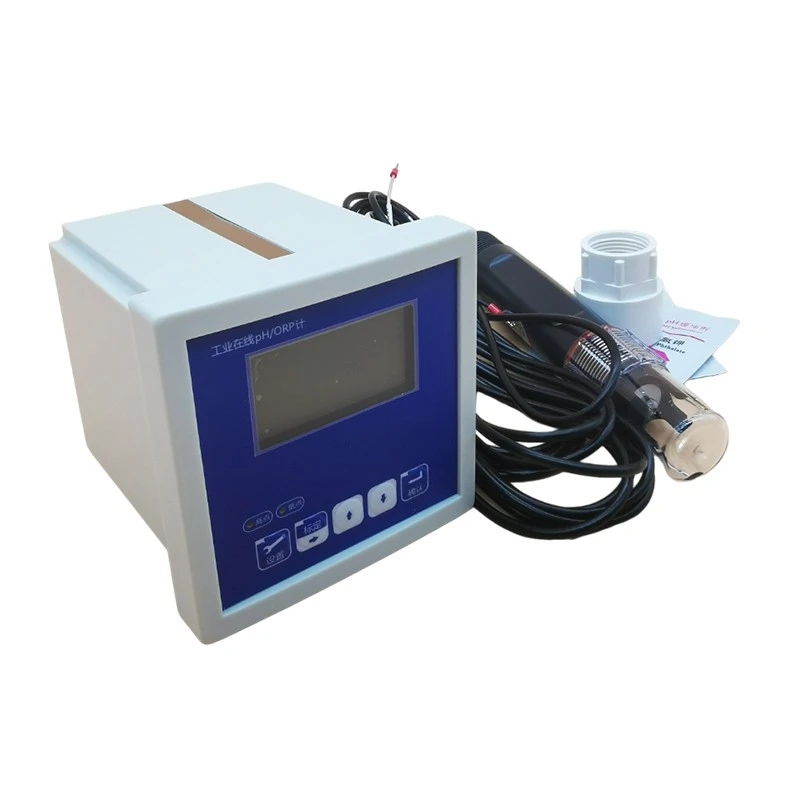
For more continuous monitoring, our Industrial Inline Ph Meter is a top pick. It can be directly installed into the pipes or tanks where the wood - processing liquids flow. This way, you get real - time pH readings without having to constantly sample the liquid.
And if you need remote monitoring and data logging, our Online Ph Meter is the way to go. You can access the pH data from anywhere through an internet connection, which is super convenient for large - scale wood - processing plants.
Step - by - Step Guide to Measuring pH with a pH Meter
Step 1: Preparation
Before you start measuring, make sure your pH meter is in good working condition. Check the electrodes for any visible damage or signs of wear. If they look dirty, you may need to clean them as per the manufacturer's instructions. Usually, a simple rinse with distilled water can do the trick, but for stubborn dirt, you might need a special electrode cleaning solution.
Next, you'll need to calibrate the pH meter. Calibration is essential because it ensures that the meter gives accurate readings. Most pH meters come with calibration buffers, usually at pH 4, 7, and 10. Start by immersing the electrode in the pH 7 buffer solution and adjust the meter until it shows a reading of 7. Then, repeat the process with one or both of the other buffer solutions to fine - tune the calibration.
Step 2: Sampling the Liquid
In a wood - processing industry, the liquids you're measuring could be from various sources. For example, it could be the water used in the wood - washing process, the glue solutions, or the wastewater. When taking a sample, make sure it's representative of the actual liquid in the system. Use a clean and dry container to collect the sample. It's best to take the sample at different depths and locations if possible to get an accurate average.
Step 3: Measuring the pH
Once you have your sample and your meter is calibrated, it's time to measure the pH. Gently immerse the electrode of the pH meter into the liquid sample. Make sure it's fully submerged but avoid hitting the bottom or sides of the container with the electrode. Give it a few seconds for the reading to stabilize.
Some meters may have an auto - read function, which will automatically lock in the reading once it has stabilized. If not, just wait until the reading stops changing significantly before noting it down.

Step 4: Recording and Analyzing the Results
After getting the pH reading, record it along with the time, location of the sample, and any other relevant information. This data can be very useful for long - term analysis. You can use it to identify trends, such as whether the pH of the liquid is gradually becoming more acidic or alkaline over time.
If the pH is outside the desired range for your wood - processing process, you'll need to take corrective actions. For example, if it's too acidic, you might add a basic substance, like calcium hydroxide, to raise the pH. Conversely, if it's too alkaline, you can add an acid, such as acetic acid, in a controlled manner.
Maintenance and Troubleshooting
To ensure the long - term accuracy and reliability of your pH meter, regular maintenance is a must. After each use, rinse the electrode with distilled water and store it in the appropriate storage solution. This helps keep the electrode in good condition and prevents it from drying out.
Sometimes, you might encounter issues with your pH meter. For example, you might get inconsistent or incorrect readings. This could be due to a few reasons, like a dirty electrode, improper calibration, or a malfunctioning meter. If this happens, first try recompensating the meter using fresh buffer solutions. If the problem persists, check the electrode for any signs of damage. If it's damaged, you may need to replace it.
Conclusion
Measuring the pH of liquids in a wood - processing industry is a straightforward yet important process. With the right pH meter and proper procedures, you can ensure the quality of your wood products and the longevity of your equipment. Whether you're looking for a simple, portable Acid - base Detector, a continuous - monitoring Industrial Inline Ph Meter, or an advanced Online Ph Meter, we've got you covered.
If you're interested in learning more about our pH meters or have any questions regarding their use in the wood - processing industry, feel free to reach out to us. We're here to help you find the best solution for your specific needs and get your pH measurement sorted out.
References
- "Wood Chemistry, Ultrastructure, Reactions" by Derek Fengel and Gert Wegener.
- "pH Measurement: Fundamentals, Methods, and Applications" by various authors in the field of analytical chemistry.
- Manufacturer's manuals for the pH meters used in this process.