

When it comes to accurately measuring liquid levels in various industrial and environmental applications, submersible level gauges are indispensable tools. As a trusted supplier of submersible level gauges, I understand the importance of not only providing high - quality products but also ensuring that our customers use them safely. In this blog, I will share some essential safety precautions when using a submersible level gauge.
1. Pre - installation Safety Checks
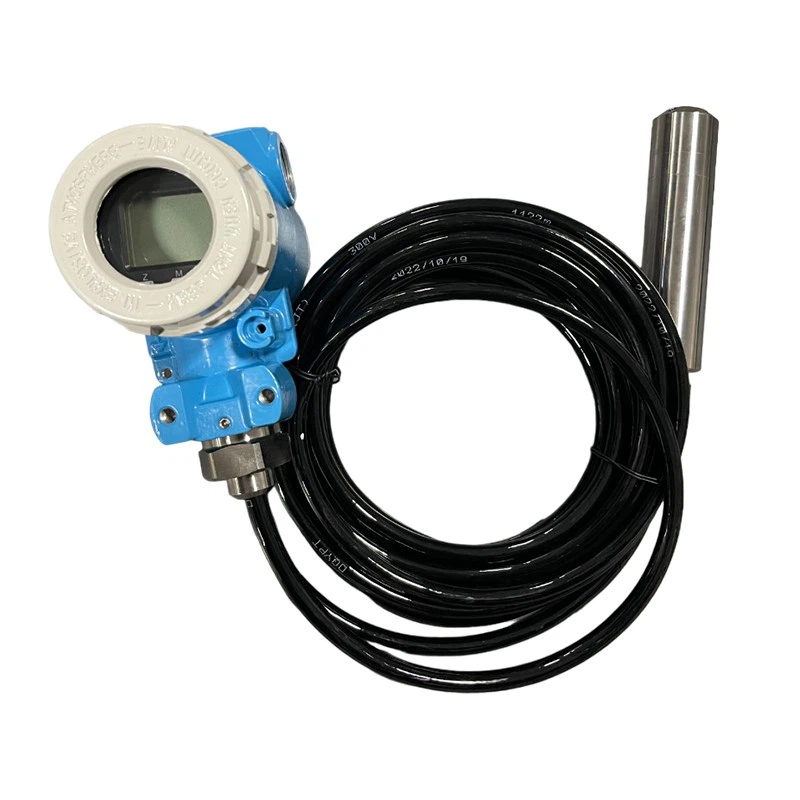
Before installing the submersible level gauge, a series of safety checks should be carried out. First, carefully inspect the physical condition of the gauge. Look for any visible signs of damage such as cracks, dents, or frayed cables. A damaged gauge may not only provide inaccurate readings but also pose a safety hazard, especially in hazardous environments. For example, if the housing of the gauge is cracked, it may allow liquid to enter the internal components, leading to short - circuits or malfunctions.
Next, verify the compatibility of the gauge with the liquid to be measured. Different submersible level gauges are designed to work with specific types of liquids. Some liquids may be corrosive, and using an incompatible gauge can cause the gauge to deteriorate over time, which may lead to leakage or inaccurate measurements. Refer to the product manual to ensure that the gauge is suitable for the liquid's chemical properties, temperature, and pressure range.
Check the electrical requirements. Ensure that the power supply voltage and frequency match the specifications of the submersible level gauge. Incorrect electrical supply can damage the gauge and may even cause electrical fires or shocks. Use a reliable and properly grounded electrical source. It is also advisable to install appropriate circuit protection devices such as fuses or circuit breakers to prevent over - current situations.
2. Installation Safety
During the installation process, follow the manufacturer's instructions carefully. Make sure that the gauge is installed at the correct depth. Incorrect installation depth can lead to inaccurate readings. Use proper installation tools and techniques. For example, when attaching the gauge to the mounting structure, ensure that the connections are secure to prevent the gauge from falling into the liquid.

If the installation is taking place in a confined space, such as a tank or a well, follow confined - space safety procedures. This may include providing adequate ventilation, using personal protective equipment (PPE) such as respirators, and having a safety observer outside the confined space. The presence of hazardous gases or low - oxygen levels in confined spaces can pose a serious threat to the installer's health.
When handling the gauge's cable, avoid kinking or crushing it. A damaged cable can affect the electrical connection and the transmission of signals. Ensure that the cable is properly routed and protected to prevent it from being damaged by sharp edges or moving parts.
3. Operation Safety
During normal operation, monitor the gauge regularly. Check the readings for any sudden changes or abnormalities. Unusual readings may indicate a problem with the gauge itself or with the liquid being measured. If you notice any issues, stop using the gauge immediately and investigate the cause.
Do not touch the gauge or its components while the power is on, especially if you are not wearing appropriate PPE. This can prevent electrical shocks. If maintenance or adjustment is required, always turn off the power supply first.
Keep the area around the submersible level gauge clean and free from debris. Accumulated debris can interfere with the gauge's operation and may also pose a safety hazard. For example, if debris blocks the pressure - sensing port of the gauge, it can lead to inaccurate readings.
4. Maintenance Safety
Regular maintenance is crucial for the proper functioning and safety of the submersible level gauge. When performing maintenance, follow a strict safety protocol. As mentioned before, always turn off the power supply before starting any maintenance work.
Clean the gauge carefully. Use appropriate cleaning agents that are compatible with the gauge's materials. Harsh chemicals can damage the gauge. When disassembling the gauge for maintenance, keep track of all the components and follow the reverse order when reassembling.
Inspect the seals and gaskets regularly. Damaged seals can allow liquid to enter the gauge, causing malfunctions. Replace any worn - out or damaged seals promptly.
5. Environmental Considerations
Be aware of the environmental conditions where the submersible level gauge is used. In outdoor applications, protect the gauge from extreme weather conditions. For example, in areas with high - temperature summers, ensure that the gauge has proper heat - dissipation measures. In cold climates, prevent the liquid in the gauge from freezing, as this can damage the gauge's internal components.
If the gauge is used in an area prone to flooding or high - humidity conditions, take additional precautions to prevent water ingress. Consider using protective enclosures or installing the gauge in a location where it is less likely to be affected by water.
6. Training and Education
Provide proper training to all personnel who will be involved in the installation, operation, and maintenance of the submersible level gauge. Training should cover safety procedures, the correct use of the gauge, and how to identify and handle potential problems. A well - trained workforce is essential for ensuring the safe and efficient use of the submersible level gauge.
Related Products
As a submersible level gauge supplier, we offer a wide range of products to meet different customer needs. You can check out our Submersible Liquid Level Sensor, Hydrostatic Level Gauge, and putting - into - type liquid level meter. These products are designed with high - quality materials and advanced technology to provide accurate and reliable level measurements.
Contact for Purchase and Consultation
If you are interested in our submersible level gauges or have any questions about their safety and usage, please feel free to contact us. Our professional team is ready to provide you with detailed product information and technical support. We can also offer customized solutions based on your specific requirements. Start your journey towards accurate and safe liquid - level measurement with our submersible level gauges today.
References
- Manufacturer's product manuals for submersible level gauges.
- Industrial safety standards and regulations related to the use of measuring instruments in liquid - level applications.
- Technical literature on electrical safety and chemical compatibility in industrial environments.